Japan faces its deadliest year on record for bear attacks, and travelers need to take notice. The environment ministry reports nine deaths countrywide since April – marking the highest annual death toll recorded.
Two distinct bear species call Japan their home. The Asiatic black bear (Ursus thibetanus japonicus) lives on Honshu and Shikoku islands, weighing between 80-120 kg. The more imposing Hokkaido brown bear (Ursus arctos yesoensis) makes its home exclusively on Japan’s northernmost island and can reach a staggering weight of 400 kg.
Bear encounters have left their mark on both locals and tourists. A recent attack near Shirakawa-go in Takayama injured an international traveler. The same area saw another incident in October 2025 when a young black bear injured a Spanish tourist. Japan’s bear population stands at 44,000 Asian black bears and 12,000 Ussuri brown bears. These traditionally shy animals now venture into towns and villages they used to avoid.
This post will explore the reasons behind increasing bear encounters, highlight high-risk areas in Japan, and provide crucial safety information for your travels. Your safety depends on knowing how to prevent and handle bear encounters, especially if you plan to hike through Hokkaido or visit rural Nagano, where bears injured or killed 15 people by October 17.
Understanding Japan’s Bear Population

Japan’s wilderness is home to two different bear species that differ in their size, behavior, and where they live.
Asiatic black bears vs. brown bears in Japan
The Asiatic black bear (Ursus thibetanus japonicus), known to locals as “tsukinowaguma” (moon crescent bear), has a unique white crescent mark on its chest. These bears weigh between 60-120kg and reach 120-140cm when standing on their hind legs. The Hokkaido brown bears (Ursus arctos yesoensis) are much bigger – males can weigh up to 400kg and grow to 2-2.5 meters tall. Brown bears tend to be more aggressive about their territory, especially mothers with cubs.
Where are there bears in Japan?
Bears follow a clear pattern in where they live across Japan. You’ll find Asiatic black bears in the forested mountains of Honshu, Shikoku, and Kyushu islands. The country has about 15,000-20,000 of these bears, and most live in central Honshu’s mountainous areas, especially in Nagano, Niigata, and Fukushima prefectures.
Brown bears live only on Hokkaido, Japan’s northernmost island. About 2,000-3,000 brown bears roam Hokkaido’s big wilderness, and you can spot them in places like the Shiretoko Peninsula, Daisetsuzan National Park, and around the Akan-Mashu National Park area.
Are bears common in tourist areas?
Bears used to stay away from populated areas. Over the last several years, tourist spots have seen more bear sightings than ever before. Popular hiking spots like Kamikochi in Nagano Prefecture and the Japan Alps report more bear activity these days. The UNESCO World Heritage site Shirakawa-go in Gifu Prefecture has seen several bear encounters, and some tourists have been attacked.
Bears now show up in places you wouldn’t expect – even in Sapporo’s suburbs on Hokkaido and near Takayama’s residential areas. These surprise meetings happen because bears come closer to where people live to find food. This happens most often during autumn as they get ready for hibernation and in spring when they can’t find enough food in nature.
Travelers planning outdoor activities in Japan’s beautiful wilderness should know about bear habits and where they might encounter them.
Why Bear Encounters Are Increasing
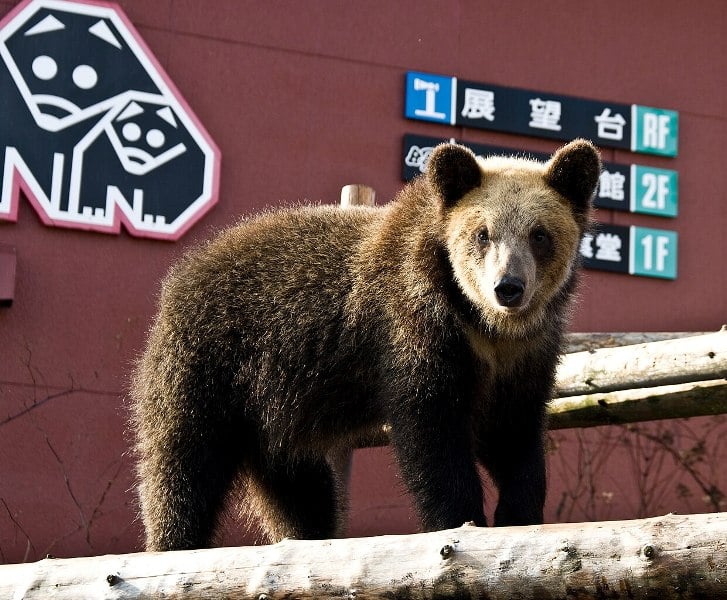
Japan’s rising number of bear encounters isn’t a coincidence. Several connected factors have created the perfect storm that brings bears and humans closer together.
Climate change and food shortages
Bears now come closer to human settlements because they can’t find enough food in their natural habitat. Their main food sources – acorns and beechnuts – have seen poor harvests. This forces hungry bears to look elsewhere for food. Climate change plays a vital role by affecting when plants flower and how insects pollinate them.
Scientists have found that bears clash with humans more often when food is scarce, not when their population grows. Bears face tough choices as their natural food sources run low before they hibernate in early December. The warming climate might also keep bears active longer by delaying their hibernation, which leads to more human encounters.
Rural depopulation and overgrown farmland
Japan’s population changes have altered the map of rural areas. Young people move to cities for better jobs, leaving countryside communities shrinking. This exodus has made the line between forests and human settlements – called satoyama – much less clear.
Empty neighborhoods and farms, with their persimmon and chestnut trees, become attractive food spots for bears. Once bears find these easy meals, they keep coming back. With fewer people living near forests, the natural barrier that used to keep bears away has disappeared.
Bears adapting to human presence
The most worrying change is how bears are behaving differently around humans. Young bears especially lose their fear of people and start to prefer farm crops and fruits like persimmons.
This familiarity has changed how bears attack. They used to hit and run when startled, but now they show hunting behavior – charging from 10 meters away and jumping at people. Some bears raise their cubs near towns, which means young bears grow up less afraid of humans than before.
Hokkaido’s brown bear numbers have doubled to about 12,000 over thirty years. Honshu now has around 42,000 Asiatic black bears. These growing numbers, combined with other factors, explain why bears that rarely met humans before now show up in towns, villages, and cities regularly.
How to Avoid Bear Encounters While Traveling
.jpg)
You need preparation and awareness to stay safe in bear country. These safety tips will help you avoid any dangerous encounters with bears in Japan.
Check local bear sighting maps and alerts
Check digital resources that track bear activity before you head into Japan’s countryside. Most prefectures have immediate “bear alert” maps that show recent sightings. Platforms like Kumamap display 93,817 incidents throughout Japan and use color codes from “safe” to “very high” risk. You can find region-specific data on Hokkaido’s Higumap, Niigata’s Bear Sighting Map, and Tochigi’s Bear Sighting Map.
Avoid hiking alone or during dawn/dusk
Bears come out most often in early morning and late evening. Your risk drops by a lot if you travel in groups. Hiking alone puts you at greater risk, especially in spots with poor visibility or thick vegetation.
Use bear bells, radios, and make noise
Bears usually avoid humans, so let them know you’re there. Japanese hikers love bear bells – 90% use them. Experts say you should add louder noises too. You can talk, clap your hands, or bring a radio. Shouting now and then becomes extra important on overgrown trails.
Proper food storage and trash disposal
Keep your food, scented items, and garbage with you at all times. Bears remember smells really well. Set up your cooking spot away from where you sleep if you’re camping. Put anything with a scent in sealed, odor-proof containers.
Stay on marked trails and obey warning signs
Stick to marked paths and follow local warnings. Never ignore area closures, even if you want “just a quick look”. Warning signs often mean bears have been spotted recently.
What to Do If You See a Bear
Meeting a bear can happen even with the best prevention methods. Your life might depend on knowing the right way to act during a face-to-face encounter with one of Japan’s mighty bears.
If the bear is far away: stay calm and back away
The sight of a bear at a distance requires composure—panic might make the bear chase you. Bears can reach speeds of 50-60 km/h, so running isn’t an option. Back away slowly and keep the bear in view without direct eye contact, which bears see as a threat. Your gaze should stay on the bear’s chest area as you move back. The urge to take photos or get closer to the animal must be resisted.
If the bear is close: look big and speak calmly
A nearby bear requires you to appear larger—raise your arms, open your jacket, and stand tall. Your voice should be low and steady to show you’re human. Groups should stick together since bears rarely approach multiple people. Sudden movements might trigger an attack, so staying composed is crucial.
If attacked: protect your head and play dead
During an attack, your body should curl up with hands covering your neck. The ground is where you should lie, face down. This defense strategy works—all but one of these seven people who used this position during attacks avoided serious injury. The right response depends on the bear species: fight Asiatic black bears but play dead with brown bears.
When to use bear spray and how to carry it
Bears hate the chili pepper compounds in bear spray. The spray works best aimed low toward the ground in front of a charging bear to create a deterrent wall. Bear spray isn’t accessible to more people in Japan, but visitor centers in high-risk areas often provide sales or rentals. This tool helps protect both humans and bears.
If you are planning on visiting Hokkaido’s national parks, read our hiking guide to make your journey safe.
Conclusion
Bears in Japan have evolved from shy wilderness creatures into a real safety concern for locals and tourists alike. This piece looks at the mounting challenges from both Asiatic black bears and the larger Hokkaido brown bears.
Bear encounters have reached alarming levels in Japan because of several connected factors. Natural food sources have been disrupted by climate change, and rural depopulation has made the lines between human areas and bear territories less clear. On top of that, bears have grown comfortable with humans and now venture more often into populated areas.
Your safety should be the top priority when you’re in Japan’s bear country. Local bear sighting maps and alerts will give you current information before your trip. Groups are much safer than solo hiking, and you should stay away from trails at dawn and dusk when bears look for food. Japanese hikers love their bear bells, but these work best with talking, clapping, or radio sounds to let bears know you’re there.
Quick thinking could save your life if you meet a bear despite taking precautions. Back away slowly if you spot a bear in the distance – never run. Make yourself look bigger and speak steadily if a bear comes close. The species makes all the difference in an attack – play dead for brown bears but fight back against Asiatic black bears.
Japan’s wilderness offers amazing experiences if you prepare properly. Knowledge about bear behavior and safety measures lets you enjoy hiking in Hokkaido’s mountains or Honshu’s forest trails. Understanding these wild animals instead of fearing them helps you appreciate Japan’s natural beauty responsibly.
Bear safety should be as much a part of your travel planning as booking hotels or making an itinerary. Even though bear encounters happen more often now, you’ll likely have a safe trip if you follow these guidelines. Japan’s stunning landscapes are waiting for you – just show respect to the powerful animals that live in these forests.
FAQs
Q1. How can tourists stay safe from bears while hiking in Japan? To stay safe, hike in groups, make noise while walking, avoid dawn and dusk, carry bear spray if available, and stay on marked trails. Check local bear sighting maps before your trip and heed any warning signs or closures you encounter.
Q2. What should I do if I encounter a bear in Japan? If you see a bear from a distance, remain calm and slowly back away without running. For close encounters, make yourself appear larger, speak in a low steady voice, and back away slowly. Never turn your back on the bear or make sudden movements.
Q3. Are bear encounters common in popular tourist areas of Japan? While traditionally rare, bear sightings have increased in recent years, even in some popular tourist destinations. Areas like Shirakawa-go and parts of Nagano Prefecture have reported bear incidents. It’s important to stay informed about local wildlife activity.
Q4. Which regions of Japan have the highest bear populations? Hokkaido has the largest population of brown bears, while Asiatic black bears are found mainly in the mountains of central and northern Honshu. Prefectures like Akita, Iwate, and Fukushima have significant bear populations.
Q5. Are bear bells effective in preventing bear encounters in Japan? The effectiveness of bear bells is debated. While popular among Japanese hikers, experts suggest that making louder noises like talking, clapping, or using a radio may be more effective in alerting bears to human presence. Bear spray is considered a more reliable deterrent.