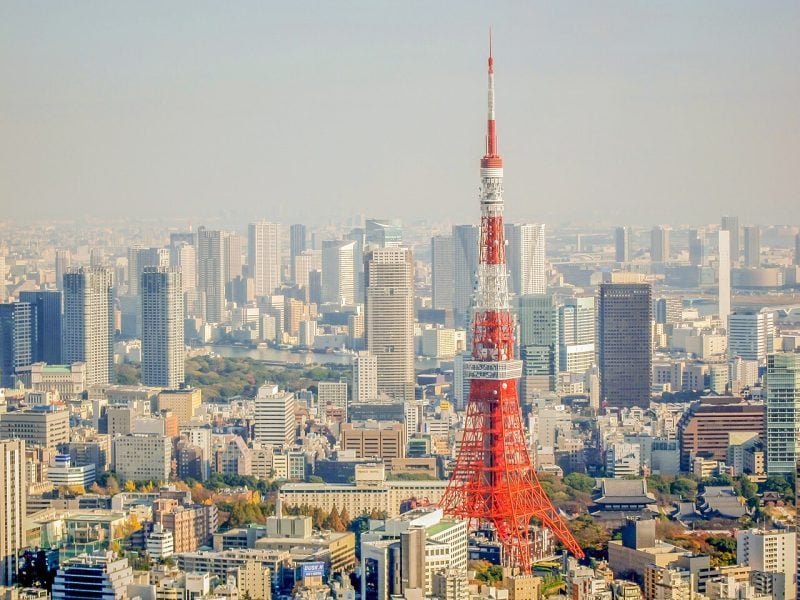
Tokyo offers unique travel experiences across its four seasons. Travelers find spring (March to May) and autumn seasons particularly appealing!
Cherry blossoms paint the city in stunning pink hues during spring’s peak tourist season. The city’s landscape changes stunningly in the autumn as many deciduous trees create a spectacular display of red and gold foliage. Summer temperatures rise to 35°C (95°F) with high humidity, while winter brings a peaceful atmosphere with fewer crowds.
This travel guide helps you understand to see what really happen throughout its four seasons.
Spring in Tokyo (March to May)

Pink and white blossoms paint Tokyo’s landscape as spring arrives. This magical season runs from March to May and is maybe even the best time to visit Tokyo if you want to see natural beauty and experience the culture.
Cherry blossom season and peak bloom dates
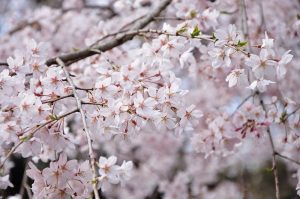
The city’s famous cherry blossoms usually bloom during the last week of March through early April. Tokyo’s cherry blossoms reached full bloom on March 31, 2025, and the best viewing lasted from March 31 to April 8. These blooms last just 7-10 days from first opening to peak, creating excitement among visitors and locals.
Ueno Park is a great spot with about 1,200 cherry trees along the path between Keisei Ueno Station and the Tokyo National Museum. On top of that, Meguro River creates a stunning 4km tunnel of cherry blossoms during the annual Meguro River Cherry Blossom Festival.
Chidorigafuchi Green Way turns into a peaceful 700-meter-long cherry tree tunnel with evening lights during the Sakura Festival in Chiyoda.
Tokyo’s Weather in Spring
Usually, Tokyo’s spring weather gets warmer from March though it’s still cool in the evening and at night. April brings highs of 18.5°C and lows of 10.5°C. May temperatures can climb to a comfortable 23°C, which allows visitors experience comfortable spring hike in the mountains.
Don’t forget to pack light jacket, t-shirts, and comfortable walking shoes and rain gear (umbrella and light raincoat) for spring showers.
Japan’s spring usually brings sunny days with low humidity – perfect for outdoor activities. Just remember to pack for occasional rain showers, especially in April and May.
Golden Week: what to expect
Golden Week stands as one of Japan’s busiest holiday periods, running from late April through early May. The 2026 Golden Week starts on April 29 (Showa Day) and has Constitution Day (May 3), Greenery Day (May 4), and Children’s Day (May 5).
Trains get packed during this time, especially when leaving Tokyo at the start of holidays and returning at the end. You should book Shinkansen seats exactly one month ahead. Hotel prices may jump by 50% to 100% during this period. The crowds might be heavy, but experiencing Japan during this major holiday lets you learn about the culture firsthand.
Top spring festivals and events
Spring in Tokyo brings many festivals beyond cherry blossoms. The Bokutei Sakura-matsuri Festival (mid-March to mid-April) shows off beautiful blossoms along the Sumida River’s banks. Sakura Fes Nihonbashi (mid-March to early April) features local restaurants and shops with special “Sakura Menu” items that highlight spring and cherry blossom themes.
Traditional festivals take over in May. Sanja Matsuri in Asakusa attracts 1.8 million visitors who watch about 100 portable shrines parade through town. Kanda Matsuri happens every two years with around 200 portable shrines. The Spring Grand Festival at Yasukuni Shrine offers a different experience in late April with food stalls and many worshipers.
Read our guide on the 10 Best Spring Festivals in Japan.
Summer in Tokyo (June to August)
.jpg)
Tokyo transforms into a vibrant festival city with tropical weather from June through August. The summer season might not be the best time to visit Tokyo if you can’t handle heat, but you’ll experience unique cultural events that happen only during these months.
Rainy season and how it affects travel
The rainy season (tsuyu) kicks off early summer and runs from early June to mid-July. Tokyo sees rain for about 40 days total during June and July. June brings 181mm of rainfall while July sees 128mm. The good news is it doesn’t rain non-stop – your chances of rain during peak rainy season are about 45% each day.
You’ll need some flexibility when traveling during tsuyu. A sturdy umbrella or poncho should always be in your bag. Temples like Koyasan or hot spring resorts take on a magical atmosphere in the rain.
Dealing with heat and humidity
Tokyo’s summer heat kicks into high gear after the rains end. Temperatures can soar to 35°C-40°C (95°F-104°F) in July and August. The air gets thick with humidity between 50% and 60%, making it feel even hotter.
To manage the heat:
Sports drinks like Pocari Sweat or Aquarius will keep you hydrated
Light, breathable clothes are your best friend
Body wipes and cooling sprays help beat the heat
A portable fan makes a big difference
Head out early morning or evening for outdoor activities
Major summer festivals and fireworks
.jpg)
The city lights up with festivals and dazzling fireworks displays (hanabi) on summer nights. Tokyo’s biggest show happens at the Sumidagawa Fireworks Festival on July’s last Saturday. The sky explodes with 20,000 fireworks while 950,000 people watch in awe.
The Edogawa Fireworks Festival puts on a show with 14,000 fireworks, and the Jingugaien Fireworks Festival launches 10,000 more. Local neighborhoods come alive with traditional Bon dancing through July and August, as taiko drums echo through the streets.
Indoor attractions to beat the heat
The city’s air-conditioned spaces become a welcome escape on scorching days. The Ghibli Museum needs advance booking, but it’s worth it, just like the mind-bending TeamLab Borderless digital art space. Sunshine City mall in Ikebukuro lets you cool off while shopping.
Kids love the Legoland Discovery Center, and Tokyo Joypolis brings high-tech fun to an indoor amusement park. The Sumida Aquarium in the Skytree complex shows off artistic underwater displays that help you forget about the summer heat outside.
Visit one of these hydrangea viewing spots in Tokyo if your trip is going to happen in June/July!
Autumn in Tokyo (September to November)

Tokyo transforms into a spectacular display of reds and golds during autumn. Visitors can enjoy crisp temperatures and fewer crowds. The period from September through November sees the city transition from summer’s warmth to winter’s approach, making it the best time to visit Tokyo if you want comfort and beauty.
Best months to visit Tokyo for fall foliage
You should plan your Tokyo visit between mid-November and early December to see the best fall colors. The autumn leaves (known as kōyō) last longer than spring’s cherry blossoms, giving you more time to enjoy nature’s show. The surrounding areas start changing colors first, and city parks reach their peak later.
Ginkgo trees turn brilliant gold first, and maples follow with their deep crimson hues. The 2025 forecasts predict Tokyo’s yellow foliage will peak around November 26 and red foliage around November 30.
Weather and clothing tips
September stays warm with temperatures averaging 24.4°C (highs of 28.8°C and lows of 21.1°C). October brings cooler weather around 17.2°C. November feels like true autumn with average temperatures of 14.5°C (highs of 19.1°C and lows of 10.7°C). These temperature changes mean you need to layer your clothes.
Light clothes with sun protection work best in September. October needs light sweaters and long pants. November calls for jackets and scarves. Light down jackets are great because they adapt to daily temperature changes.
Cultural events and local traditions

Tokyo’s vibrant cultural heritage shines through various well-known autumn festivals. Mid-September brings the Kichijoji Autumn Festival where people carry portable mikoshi shrines through streets.
The Shinagawa Shukuba Matsuri celebrates Edo period traditions with people wearing historical costumes in late September. Ikebukuro’s Fukuro Matsuri combines September’s mikoshi parades with October’s Tokyo Yosakoi dance festival that features over 100 teams. Locals pray for good fortune at November’s Tori no Ichi events and buy charms and good-luck rakes.
Beautiful chrysanthemum exhibitions pop up across the city, like the Bunkyo Chrysanthemum Festival at Yushima Tenjin.
Day trips for autumn colors
Several spots near Tokyo offer amazing autumn views. Mount Takao sits just an hour from Shinjuku and has hiking trails through crimson maple forests from early November through December. Nikko, a two-hour trip away, lets you enjoy autumn colors from late September in Oku-Nikko until early November in Nikko proper.
Kawaguchiko area shows off maple corridors against Mount Fuji’s backdrop from late October to November. Hakone not only has stunning views but also lets you relax in soothing hot springs after your leaf-viewing adventure.
These day trips from Tokyo in autumn offers incredible experiences.
Winter in Tokyo (December to February)

Tokyo’s winter months from December through February bring crisp air and crystal clear skies. This season is a chance to experience authentic Tokyo without large crowds, making it the best time to visit Tokyo.
Best time of year to visit Tokyo for fewer crowds
Winter emerges as the least crowded season in Tokyo, except during Christmas and New Year celebrations. Tourist traffic drops to its lowest from January through early February, with substantially lower travel costs. Yes, it is the best time to spot Mount Fuji’s elusive peak, thanks to clearer skies.
Cold, dry weather dominates with average daily highs around 10°C (50°F)—perfect for exploring the city. January temperatures can drop to 2°C, making it the coldest month. The days become shorter with sunset around 4:30pm in December and 5:30pm by February, but this lets you enjoy Tokyo’s striking illuminations longer.
Holiday season and New Year traditions
New Year (Oshōgatsu) holds the position of Japan’s most important holiday. Japanese Families come together while most businesses stay closed from January 1-3. Traditional decorations decorate homes during this time of the year – kadomatsu (bamboo and pine arrangements) and shimekazari (sacred straw ropes) welcome gods and keep evil spirits away.
Families celebrate New Year’s Eve with toshikoshi soba (buckwheat noodles for longevity) and watch Kōhaku Uta Gassen, a popular TV music competition. You can join the hatsumode (first shrine visit) at Meiji Jingu, which attracts over 3 million visitors in early January.
The Tokyo Metropolitan Government building hosts countdowns, while temples like Zōjō-ji and Sensō-ji ring their bells 108 times (joya no kane).
Winter Illuminations and Events
The city revolutionizes into a glittering wonderland from November through February. Marunouchi’s elegant avenue showcases 340+ trees wrapped in champagne-gold lights from November 13 through February 15. Roppongi Hills’ Keyakizaka Street glows from November 4 to December 25, offering views of illuminated trees with Tokyo Tower in the background. Notable displays include:
Tokyo Midtown (November 13-December 25): Features a “Path of Lights” and ice skating rink
Meguro River (December 5-January 31): Pink LED lights create cherry blossom effects along 2km of trees
Shibuya Ao no Dokutsu (December 4-25): A 250-meter “blue cave” tunnel of illuminated zelkova trees
The traditional end of winter, Setsubun, falls on February 3. Temples like Zōjoji and Sensōji celebrate with bean-throwing festivals to ward off demons and welcome good fortune.
Find more information about Tokyo’s winter illuminations and events.
Nearby Snow Experiences and Onsen Escapes

Tokyo sees light snow only once or twice a year. Several nearby destinations make great day trips for snow enthusiasts. Gala Yuzawa, just 75 minutes away by bullet train, provides excellent skiing with rental equipment. Niigata Prefecture’s Yuzawa area features over 20 ski resorts, including one connected to Gala Yuzawa station.
Winter is a great time to experience onsen (hot springs). Hakone, a 90-minute from Tokyo, offers relaxing hot springs with Mount Fuji views. On the other hand, Kusatsu Onsen, 3 hours away, ranks as Japan’s top onsen destination with its sulfur-rich waters and snow-covered scenery. Surprisingly, winter visitors often find better deals and easier bookings at these resorts compared to peak seasons.
Take a look at the best and easily accessible ski resorts from Tokyo.
You can Visit Tokyo All Year Round!
Tokyo provides different experiences all year round. Your ideal time to visit depends on your priorities. Spring dazzles visitors with cherry blossoms. Autumn showcases stunning foliage. These two seasons have comfortable temperatures and moderate crowds.
Summer fills the city with vibrant festivals and fireworks displays. However, the heat and humidity might be tough for some travelers. Winter emerges as the least crowded season. It offers crystal-clear views of Mount Fuji and the city’s enchanting illuminations.
Tokyo’s character shines differently in each season. Think over what matters most to you – natural beauty, cultural experiences, or budget – and plan your perfect Tokyo adventure.