Japanese mythology fascinates me—stories of fox spirits, ancient curses, and the thin boundary between life and death are compelling. These tales arise from a rich tradition over a millennium, blending Buddhist philosophy, Shinto beliefs, and regional legends into something unique.
Japanese stories feature yokai—shape-shifting creatures that can be terrifying, mischievous, or wise. We meet samurai bound by codes that transcend death and spirits that challenge our understanding of reality.
Whether you’re encountering these stories for the first time or you’re already enchanted by the world of kitsune and oni, each selection offers a unique window into Japan’s extraordinary mythological landscape.
Let’s explore these remarkable works that bring Japanese folklore to vivid life on the page.
1. The Tale of the Heike
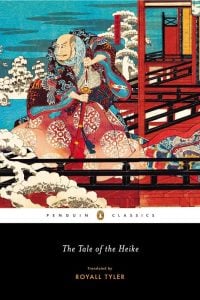
This monumental work is like Japan’s very own version of Homer’s Iliad, coming to life during one of the most chaotic times in Japanese history. Compiled before 1330, this epic tells the gripping tale of the fierce battle between the Taira clan (Heike) and the Minamoto clan (Genji) during the Genpei War from 1180 to 1185. The impact of this incredible work on Japanese culture is truly immense – it has influenced literature, theater, music, film, and manga for centuries, laying the groundwork for so many medieval Japan fantasies.
Among the epic’s three major sections, the figure of Minamoto general Yoshitsune stands out as one of the most fascinating characters! He’s a master of the surprise attack—kind of like Grant at Vicksburg! Unfortunately, Yoshitsune fell victim to his own brother Yoritomo’s political paranoia, which is just so tragic. The climactic sea battle at Dannoura in 1185 was a real turning point, sealing the Taira’s fate. It was heartbreaking, with the child emperor and countless nobles drowning, their bodies described as “maple-leaf brocade upon the waves.
This foundational epic offers modern readers direct access to the samurai worldview and Buddhist philosophy that continue to influence Japanese storytelling today. It’s such a fascinating journey into the rich tapestry of culture and thought!
Read: The Take of the Heike
2. Kwaidan: Stories and Studies of Strange Things by Lafcadio Hearn

Lafcadio Hearn occupied a remarkable position in literary history—a Greek-born, Irish-raised writer who became one of the first Westerners to truly understand and preserve Japanese supernatural folklore. Published in 1904, Kwaidan emerged from his deep immersion into Japanese culture after settling there and marrying a local woman.
The collection contains seventeen tales plus three philosophical essays examining insects through Eastern mythological lenses. “The Story of Mimi-nashi Hōichi” stands out as perhaps the collection’s most unforgettable piece. A blind musician finds himself performing nightly for what he believes to be a noble court, unaware that his audience consists entirely of ghosts in an ancient cemetery.
For readers wanting authentic folklore rather than modern fantasy interpretations, Kwaidan remains essential—these are traditional Japanese ghost stories preserved by someone who truly understood the culture that created them.
3. The Fox Woman by Kij Johnson
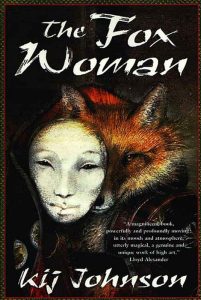
What draws me most to Kij Johnson’s debut is how she takes the familiar kitsune folklore and makes it achingly personal. Published in 1999 by Tor Books, The Fox Woman grew from Johnson’s Theodore Sturgeon Award-winning story “Fox Magic” into something much more ambitious—a meditation on love, deception, and the prices we pay for connection.
The novel unfolds through three journals, each voice distinct and compelling in its own way. Yoshifuji, a nobleman stripped of his court position, retreats to his crumbling estate with his wife Shikujo and young son.
Then there’s Kitsune herself, and this is where Johnson’s storytelling becomes truly magical. This young fox watches Yoshifuji with growing fascination, learning human emotions like crying from longing. When she discovers the power to transform into human form, she and her family weave an intricate illusion around him.
For anyone searching for stories that honor traditional folklore while exploring timeless human truths, this novel “The Fox Woman” rewards patience with genuine emotional depth.
4. The Night Parade of One Hundred Demons by Matthew Meyer
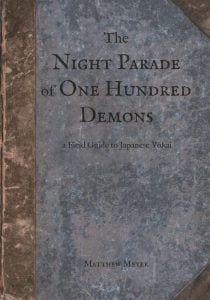
What strikes me most about Matthew Meyer’s approach is how he treats yokai like actual creatures you might encounter during a late-night walk through rural Japan. The Night Parade of One Hundred Demons reads like a field guide written by a naturalist who happens to study supernatural beings instead of birds or butterflies. Each of the over 100 entries provides exactly the kind of practical information you’d want if you actually stumbled across one of these creatures.
For readers who want practical knowledge about yokai rather than romanticized fiction, this field guide offers exactly what you need to understand these creatures on their own terms.
5. Shadow of the Fox by Julie Kagawa
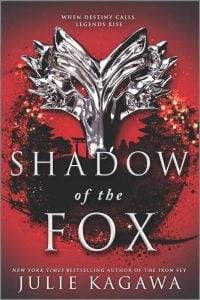
Julie Kagawa knows how to craft an adventure that keeps you turning pages. Her Shadow of the Fox trilogy, which launched in 2018, takes you into the era of feudal Japan where ancient magic still pulses beneath the surface of political intrigue. The story revolves around the Scroll of a Thousand Prayers—split into pieces long ago, but when assembled, it grants the power to summon the great Kami Dragon and make a single wish.
This is young adult fantasy, clearly aimed at readers aged 13 to 18, and it doesn’t pretend to be anything else. The 464-page story delivers exactly what it promises—fast-paced action, romantic tension, and accessible entry into Japanese mythology.
6. The Book of Yokai: Mysterious Creatures of Japanese Folklore by Michael Dylan Foster
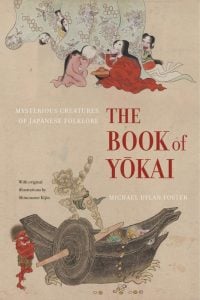
Michael Dylan Foster takes a wonderfully unique approach to Japanese supernatural creatures, setting himself apart from the field guides and fantasy novels we’ve looked at so far. As a friendly professor of East Asian Languages and Cultures at UC Davis, Foster combines his academic expertise with a passion for yokai studies, exploring these fascinating beings not just as mythological figures but as cultural treasures that unveil profound insights about Japanese society.
This book is a real gem for anyone curious about the cultural backdrop of the fascinating creatures found in Japanese fiction! Foster does a fantastic job laying down the scholarly groundwork that sheds light on why certain yokai pop up time and again in modern tales, and how their traditional roles have been given a fresh twist for today’s readers.
7. The Crane Wife by CJ Hauser
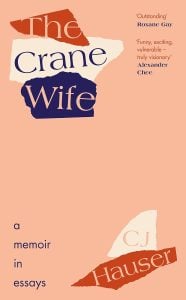
Sometimes, the most meaningful connections to folklore arise not from thrilling fantasy adventures but from the genuine honesty of personal experiences. The Crane Wife is truly unique among all the books on this list—it’s a memoir-in-essays instead of fiction, but its dive into Japanese folklore resonates more deeply than many fantasy novels I’ve come across.
The Japanese folktale of tsuru nyōbō is such a captivating story! It tells of an enchanted crane who transforms into a woman to marry the kind man who saved her life. Night after night, she lovingly plucks out her own feathers to weave beautiful cloth, all while hiding her true form and enduring a bit of painful self-destruction just to keep their marriage strong. But when her husband, unfortunately, breaks his promise and sees her secret work, she has to leave him forever. It’s a bittersweet tale that really tugs at the heartstrings!
8. Fudoki by Kij Johnson
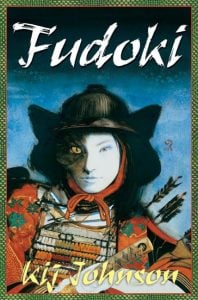
Johnson returned to Japanese mythology four years later with a work that feels entirely different from her debut—quieter, more introspective, and steeped in the melancholic beauty that defines so much of Japanese literature. Fudoki unfolds through a dual narrative that immediately draws you into two interconnected worlds: Princess Harueme’s constrained life at Emperor Sutoku’s 12th-century court, and the tale she writes about Kagaya-hime, a tortoiseshell cat whose journey mirrors her own search for identity and belonging. It’s a lovely exploration that invites you to reflect on your own experiences too!
What really stands out to me about this novel is how Johnson beautifully handles transformation. Kagaya-hime’s journey from cat to woman and back again isn’t just about simple magic—it’s a heartfelt exploration of what it means to carry pieces of different worlds within yourself. She keeps her cat-like instincts and perspectives even when she’s in human form, which leads to some truly funny and touching moments as she navigates those tricky social conventions.
9. Stormdancer by Jay Kristoff

What happens when you take Japanese mythology and throw it into a steampunk blender? Jay Kristoff’s 2012 debut Stormdancer answers that question with thunder tigers, environmental disaster, and a whole lot of attitude. The Shima Imperium presents a world I hadn’t quite seen before—imagine feudal Japan reimagined through clockwork gears and toxic lotus cultivation, where the very air burns red and the last spirit animals hover on the edge of extinction.
Yukiko caught my attention immediately as a protagonist. She’s sixteen, stubborn, and hiding a dangerous secret: she can speak with animals in a world where such abilities mean death. I’d recommend approaching Stormdancer as fantasy inspired by Japanese aesthetics rather than authentic cultural representation.
10. The Goddess Chronicle by Natsuo Kirino
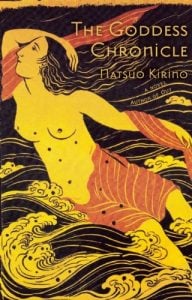
Crime fiction master Natsuo Kirino steps boldly into mythological waters with this haunting entry in the Canongate Myths series. The Goddess Chronicle takes the ancient creation story of Izanami and Izanaki from the seventh-century Kojiki text and strips away any romantic notions you might have about divine love. What emerges is something far more unsettling—and far more true to the brutal realities that women have faced throughout history.
The narrative commences on a mystical teardrop-shaped island, where two sisters represent contrasting destinies. Kamikuu, endowed with otherworldly beauty, garners admiration from all, while Namima, though small and headstrong, learns early the harsh realities of existing in another’s shadow. Their sixth birthday signifies a harsh division: Kamikuu ascends to the role of the Oracle of light, celebrated and revered, whereas Namima is thrust into darkness, destined to guide the spirits of the deceased to the underworld.