Japanese native flowers speak their own unique language through “hanakotoba,” which means “flower words.” Modern Japan may seem highly urban, yet its people maintain harmony with nature. Parks and gardens allow visitors to discover these native Japanese flowers throughout the country.
Sakura (cherry blossoms) represent Japan’s most iconic symbols naturally. These delicate blooms hold such cultural importance that meteorologists release cherry blossom forecasts to help plan “hanami,” the cherished tradition of viewing sakura. Each flower carries sacred meaning to its admirers. Japan’s flowering plants mark the distinct character of its seasons beautifully.
There are many kinds of native flowers to be found across Japan. Here we’ve collected some of our favorite Japanese native flowers in this article.
1. Cherry Blossom (Sakura)
.jpg)
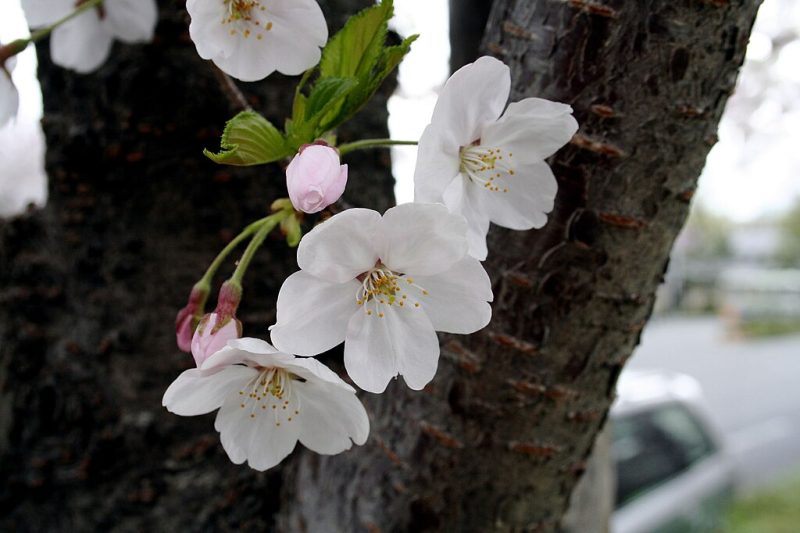
Cherry blossoms fascinate both locals and foreign tourists with their delicate beauty that has shaped Japanese culture through centuries. These flowers mean more than just beautiful blooms—they symbolize life’s temporary nature and reflect the Buddhist belief in impermanence.
People have practiced hanami, which means “flower viewing,” since the Nara period (710-794 CE). Plum blossoms were the original focus of these celebrations, but cherry blossoms became the main attraction during the Heian period (794-1185). The tradition gained official status when Emperor Saga hosted grand parties with sake and feasts under blooming sakura trees at the Imperial Court in Kyoto. This custom spread from the elite to samurai society and common people embraced it during the Edo period.
The Somei Yoshino stands out as the most common among Japan’s hundred-plus cherry tree varieties. People there in Japan developed this variety during the Edo Period (1603-1868) in Tokyo. It has white five-petaled blossoms that bloom before leaves appear, which creates a breathtaking sight.
2. Wisteria (Fuji)

Japanese wisteria (Wisteria floribunda) creates magical displays with its graceful purple cascades and fragrant flower clusters in late spring or early summer. These dramatic blooms can reach up to 3 feet long in some varieties. The spectacular show follows right after cherry blossom season in Japan’s flowering calendar.
This climbing vine thrives naturally along woodland edges in Japan’s mountains and hills. You can tell it apart from its Chinese relative by its unique clockwise twining growth pattern. The vine’s compound pinnate leaves have 13-19 leaflets. These leaves first appear in pale green or bronze shades and later turn into beautiful yellow fall colors, making the plant attractive throughout the seasons.
Japanese people named this vine “fuji” (different from Mount Fuji), and it holds deep cultural meaning. They have grown it for more than 1,200 years, and it represents good luck, love, and longevity. The vine’s tough shoots served as construction ropes before the invention of carpentry tools. People also traditionally wove its bark into cloth.
Kawachi Wisteria Garden in Kitakyushu stands out as Japan’s most famous spot to see these flowers. The garden showcases two amazing 100-meter-long tunnels filled with wisteria trees in colors from white to dark purple. Visitors flock to see the magical peak bloom around late April to early May. The garden has become so popular that you need to book your visit ahead of time.
3. Plum Blossom (Ume)
.jpg)
Plum blossoms (Ume) made their way to Japan from China about 1,500 years ago, becoming one of spring’s earliest messengers. These flowers hold deep historical roots and actually came before sakura as Japan’s most celebrated blooms. The Manyoshu from the Nara period features countless poems about them. Cherry blossoms may rule today, but ume viewing (umemi) was the original spring celebration that captured people’s hearts.
These hardy plum trees show their flowers from late January through March, often defying winter’s cold. Some eager varieties start blooming as early as mid-December, though most reach their peak beauty in mid to late February. The sort of thing I love about ume is their amazing fragrance – they fill the air with sweet, jasmine-like scents that announce spring’s arrival.
Japanese culture embraces ume as a symbol of good fortune and spring’s welcome arrival. No wonder you’ll spot plum designs on New Year’s cards and celebration items across Japan.
Japan offers amazing spots to experience plum viewing. Kairakuen Garden in Mito showcases 3,000 trees with approximately 100 varieties, which is said to be one of Japan’s top plum blossom viewing spots.
4. Hydrangea (Ajisai)
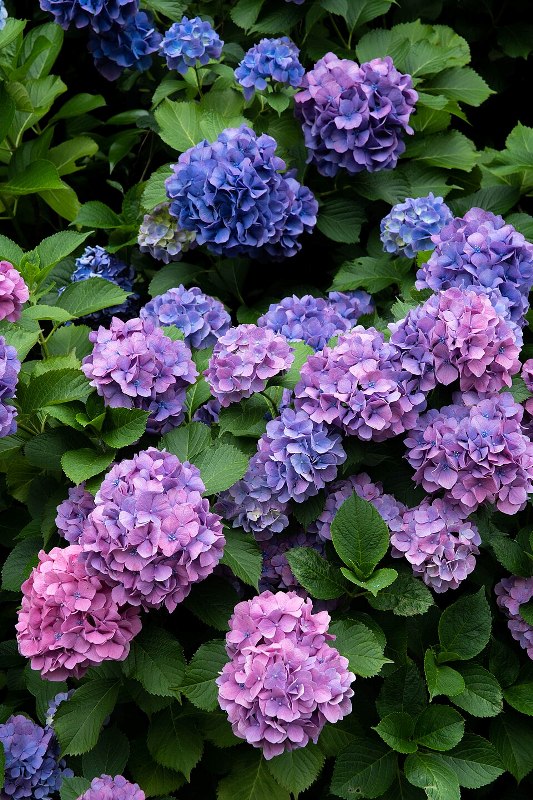
Hydrangeas (Ajisai) revolutionize Japan’s misty landscape with their vibrant clusters of color during the rainy season. These shrubby flowers, native to Japan and China, have existed for 40-65 million years. Japanese people cherish them so much that they call them the “Rose of Japan.”
The month of June brings ajisai throughout Japan, signaling the start of tsuyu (rainy season). These flowers first appeared in Japanese literature during the Nara period (710-794) and have managed to keep their cultural importance through centuries.
Tokyo’s historic Hakusan Shrine hosts about 3,000 hydrangeas during the Bunkyo Hydrangea Festival in mid-June. The Tozan Railway in Hakone becomes “Ajisai Densha” (Hydrangea Train) as thousands of flowers decorate its tracks. These remarkable flowers brighten Japan’s rainy days and stand as proof of nature’s beauty and adaptability.
5. Iris (Ayame)
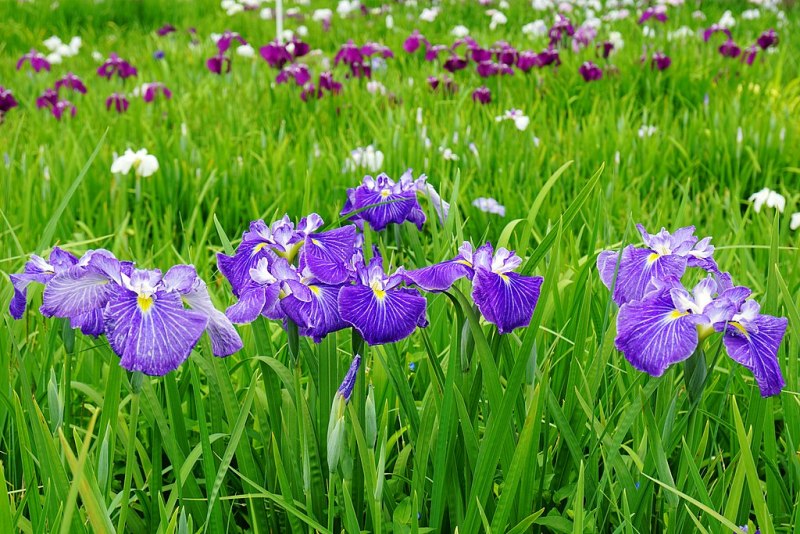
The iris flower holds a great cultural significance in Japan, where it is known as “Ayame” (Iris sanguinea). They bloom impressively in late spring to early summer, creating a breathtaking bridge between spring-flowering bulbs and summer bloomers. In Japanese tradition, the iris symbolizes strength, health, and protection against evil spirits, making it a powerful cultural emblem beyond its ornamental value.
Among Japanese people, iris flowers are considered extraordinarily sophisticated and beautiful. An old Japanese expression illustrates this reverence: “Either Ayame or Kakitsubata” (referring to Iris sanguinea or Iris laevigata), used when someone must choose between two equally refined and elegant items. This saying reveals how the Japanese view these native flowers as the epitome of beauty.
You can visit Fukiage Shobu Park in Ome, Tokyo to admire the beauty of approxiamtely100,000 iris blossoms, with over 200 different varieties. The best time to see irises there is between early June to mid-June.
6. Camellia (Tsubaki)
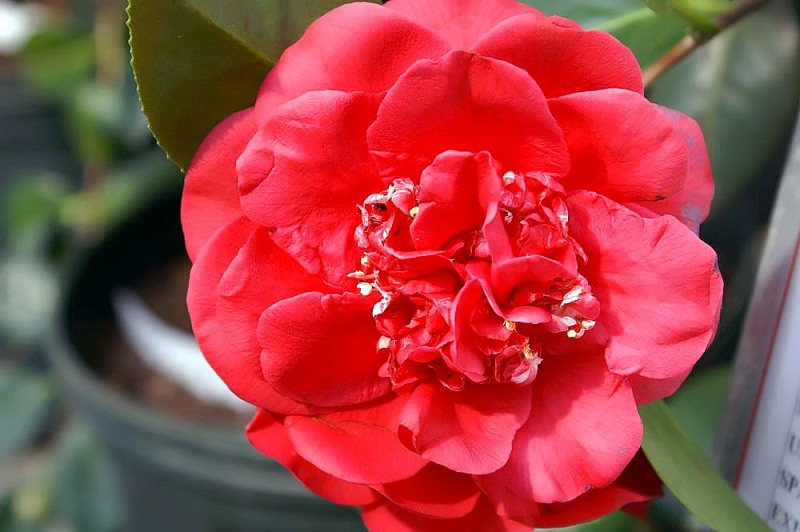
Camellia is one of the most cherished native flowering plants in Japan. This evergreen flowering shrub comes from China, Japan, Korea, and Taiwan. Japanese people have grown it for centuries, and its widespread growth can be traced back to the Song Dynasty. The wild version grows naturally in forests at altitudes of 300–1,100 meters. These plants thrive in mountain regions where they show remarkable strength against harsh weather.
This flower grows as a flowering shrub or small tree that reaches 1.5–6 meters in height, though some can grow up to 11 meters tall. Its glossy, dark green, leathery leaves have finely toothed margins. Young branches start with purplish-brown colors that change to grayish-brown as they age. The beautiful flowers measure 6–10 centimeters across and bloom between January and March in the wild. They bring life and color to Japanese landscapes during winter months.
Japanese people have grown camellia for about 1,000 years. They first used it for medicine before appreciating its beauty. The flower became hugely popular among samurai, nobles, and tea masters during the Edo period (1603-1868). Camellia oil, cold-pressed from seeds, has served as a traditional ingredient in Japanese skincare and haircare. The oil’s richness in oleic acid, antioxidants, and vitamins makes it valuable.
7. Tiger Lily (Oniyuri)
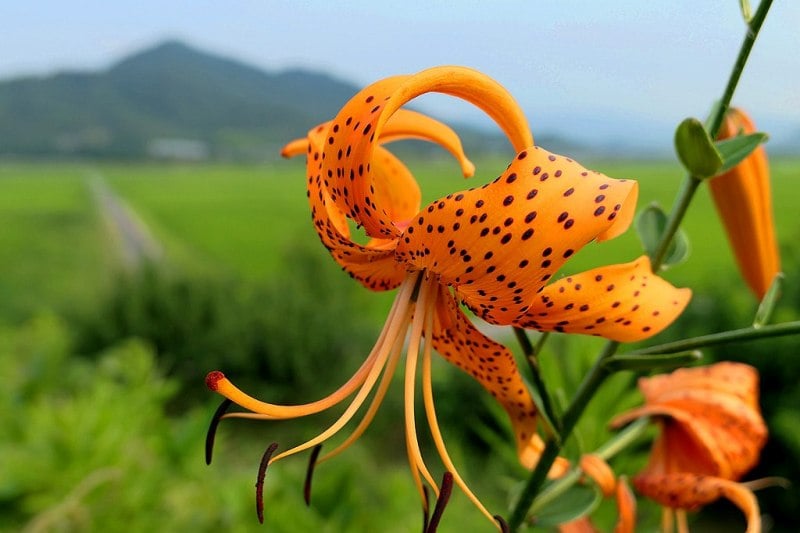
Picture walking through a summer garden in Japan when suddenly—BAM!—a burst of fiery orange catches your eye. The tiger lily doesn’t just bloom; it practically shouts for attention with its flame-colored petals splashed with dramatic black spots. You’ll find this showstopper throughout East Asia, from China to the Russian Far East, but Japan has given it the most intriguing name: “oniyuri,” literally meaning “ogre lily”!
These lilies know how to make an entrance. Each bloom stretches up to 5 inches across, with petals that curve back so dramatically they practically touch the stem. The flowers hang their heads downward in that distinctive Turk’s cap shape, and here’s what’s incredible—a single mature bulb can produce up to 40 of these stunning blossoms! Walking past a full display is like witnessing nature’s own fireworks show, with each orange bloom decorated in black or deep crimson spots.
Standing 60-150 centimeters tall, tiger lilies are surprisingly easygoing plants. They love full sun but won’t complain about some afternoon shade in hotter spots. Give them well-drained soil with consistent moisture, and they’ll reward you with their spectacular summer show from July to August.
8. Japanese Andromeda (Asebi)
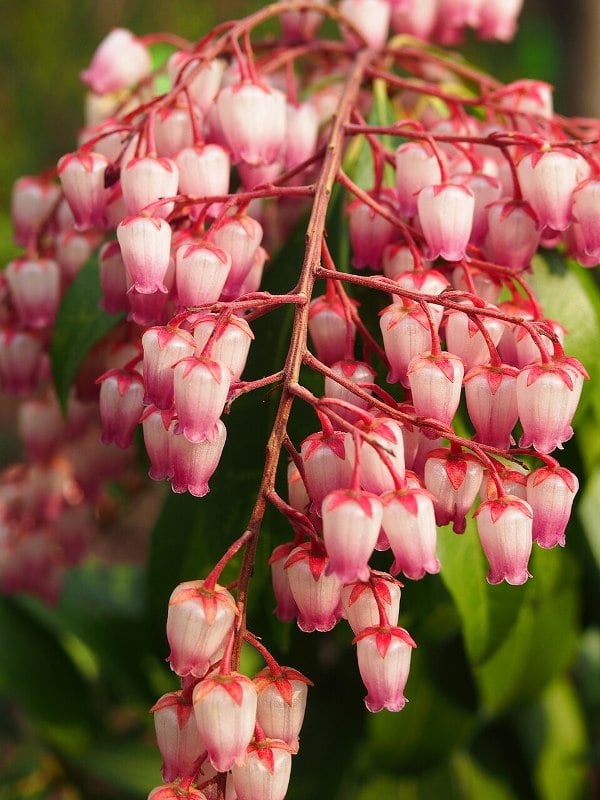
Japanese people call it “asebi”, and the Japanese Andromeda is a remarkable native plant that captures attention with its beautiful yet toxic nature. This native flowering plant grows naturally in the mountains of Honshu, Shikoku, and Kyushu islands.
Japanese gardens, shrines, and temple grounds have featured Japanese Andromeda throughout history, usually in grouped plantings. A mature Japanese Andromeda reaches 1-4 meters in height and develops into a dense, rounded bush. The shrub needs acidic, humus-rich soil that drains well, and it grows well with other acid-loving plants like rhododendrons and azaleas.
Walk through any historic tea garden, shrine, or temple grounds in Japan, and you’ll likely spot clusters of asebi planted in traditional groupings. What draws people to this potentially dangerous beauty? Those cascades of tiny, urn-shaped flowers that look remarkably like lily-of-the-valley blooms. The delicate white or pink bells typically emerge in early spring time, creating a stunning contrast against the plant’s tough, leathery foliage.
9. Star Magnolia
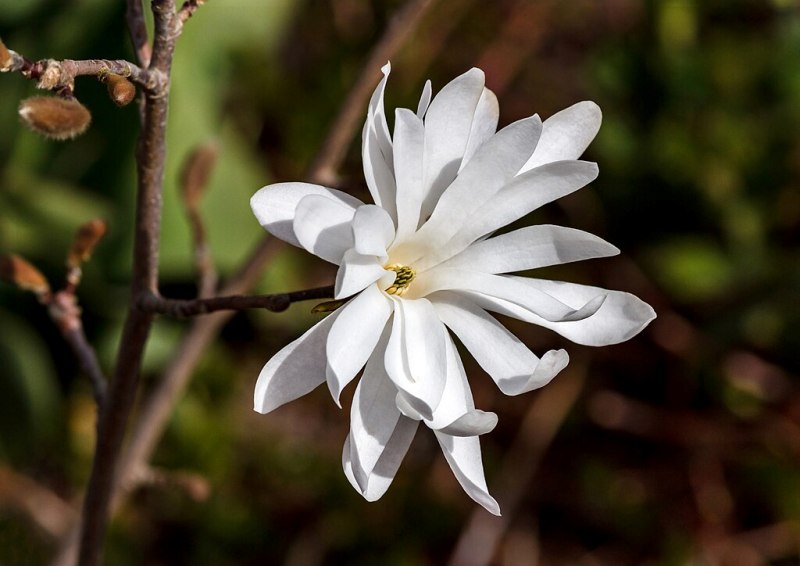
Star-shaped blossoms of Magnolia stellata bring beauty to Japanese gardens in early spring. This magnificent plant is native to the highlands of Honshu island. The slow-growing deciduous shrub grows to 15-20 feet tall with a spreading crown of 10-15 feet at maturity.
The plant’s most interesting feature appears before its leaves emerge in late winter or early spring- white flowers start blooming on bare branches. Each flower displays at least 12 thin, strap-like tepals, and some cultivars can have more than 30, which creates its signature star pattern and gives the plant its common name. The branches become completely covered with these delicate 3-4 inch wide blossoms, creating a breathtaking display. In addition, star magnolia plant showcases golden yellow leaves in autumn.
10. Japanese Azalea
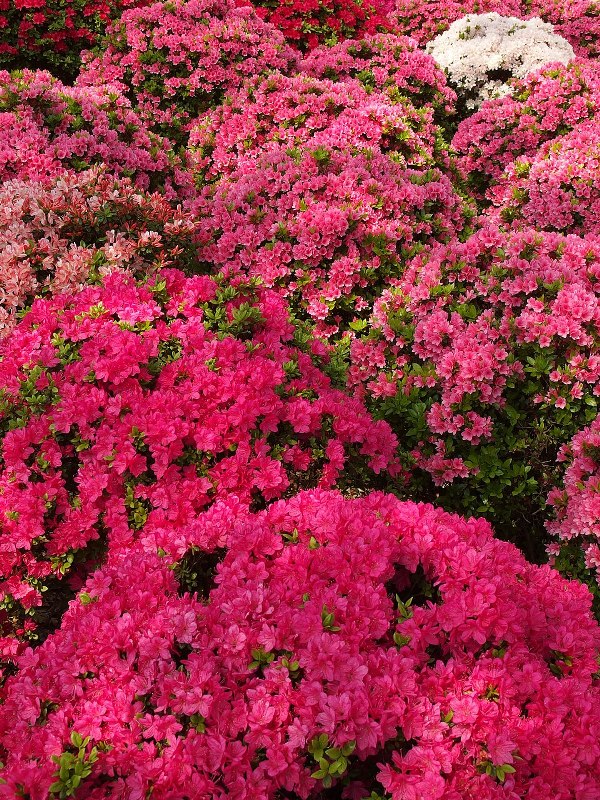
The Japanese azalea (Rhododendron japonicum) lights up Japan’s mountainous landscapes with striking orange-red flowers. This deciduous member of the rhododendron family runs on grasslands and open scrub areas but avoids dense woodlands completely. Japanese literature has featured these native beauties since the eighth century, with early poets describing them as “blooming thick on the rocky margin of the meandering stream”.
The plant’s funnel-shaped flowers set it apart from similar species, showing no glandular hairs on their outer petal surface. Each blossom creates an eye-catching display during May without the cylindrical tube common in related species.
Bunkyo Azalea Festival at Nezu Shrine is a popular spot to see azalea in Tokyo. The shrine compound is home to some 3,000 azalea plants of 100 different varieties. The festival is held from early April to early May every year.
Conclusion
Japanese native flowers are more than just beautiful—they embody their culture’s soul through centuries of tradition. Each bloom tells a unique story, from sakura’s fleeting beauty to tsubaki’s enduring strength, within hanakotoba.
These flowers mark time’s passage through the seasons across Japanese landscapes. The tiger lily stands for wealth, and plum blossoms represent resilience in nature. Japanese people value these native flowering plants as living links to their heritage, not just decorative elements.
Understanding these flowers helps us appreciate Japan more deeply, don’t you think so?