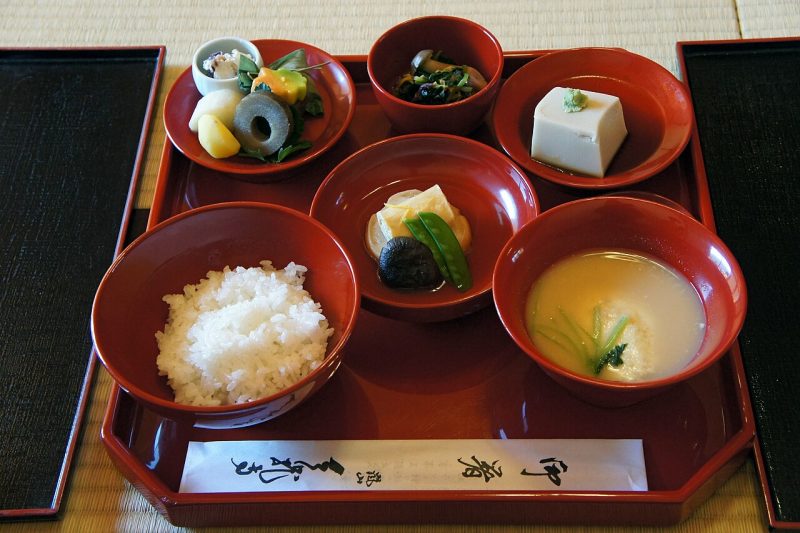
Shojin ryori serves as an unexpected sanctuary for vegetarians and vegans in Japan. Modern Japanese diets heavily feature meat, with the average person eating about 4.7 ounces (130 g) daily. Yet this refined plant-based cuisine has flourished in Buddhist temples throughout the country for centuries.
The name roughly means “devotion cuisine,” but shojin’s deeper meaning stems from Buddhist teachings that prohibit killing animals and wasting food. This cuisine took shape in Zen Buddhist monasteries during the 13th century, making it one of Japan’s oldest food traditions. Shojin food stands out because it excludes animal products completely, which makes it perfect for both vegetarians and vegans.
The essence of shojin-ryori comes from its celebration of natural ingredients in their purest form. This mindful cooking style has spread beyond temple walls and captured public interest. Health-conscious diners, vegetarians, and vegans have all come to appreciate its unique appeal. This piece will take you through the rich history, fundamental principles, and distinctive flavors that make this centuries-old tradition relevant in today’s food culture.
What is Shojin Ryori?

The term “Shojin Ryori” blends two important elements: “Shojin,” which points to Buddhist devotion in the interests of enlightenment, and “Ryori,” which simply means cooking or cuisine. This combination creates a meaning of “devotion cuisine” or “earnest effort” cuisine that reflects its spiritual roots.
Shojin meaning and Buddhist roots
Buddhism made its way to Japan around the 6th century and brought the foundations of shojin cuisine with it. The shojin ryori we know today took shape in the Kamakura period (1185-1333). Japanese Zen master Dogen traveled to China and studied Zen Buddhism at this time. He wrote “Tenzo Kyokun” (Instructions for the Cook) in 1237, which became the life-blood of shojin cuisine practices. His text showed cooking as a spiritual practice instead of just a chore and turned food preparation into Buddhist training and devotion.
How it differs from other Japanese cuisines
Shojin ryori is different from mainstream Japanese cooking through its unique principles. Buddhist doctrine of non-killing means no meat or fish can be used. It also stays away from the “Gokun” family of pungent vegetables (garlic, onions, leeks, chives). People believed these vegetables would disrupt meditation by either sparking lust when cooked or anger when eaten raw.
The cuisine follows the “Rule of Five” to balance colors, flavors, and cooking methods. The quickest way to understand this cuisine is through its focus on zero waste, eco-friendly practices, and mindfulness from ingredient selection to eating.
Is Shojin Ryori vegan or vegetarian?
Traditional shojin ryori uses only plant-based ingredients, making it perfect for vegetarians and vegans alike. We used seasonal vegetables, edible wild plants, seaweeds, grains, and soy products. The original “shojin dashi” (soup stock) gets its umami flavor from kelp and shiitake mushrooms rather than bonito flakes.
Modern versions can vary in spite of that. Some temples and restaurants might add dairy products because they believe it doesn’t harm animals. Others use fish-based dashi sometimes. Strict vegans should ask about preparation methods first. Whatever these changes, the basic philosophy stays true to mindfulness, gratitude, and respect for all living beings.
The History and Philosophy Behind Shojin Cuisine

Origins in Zen Buddhism and Dogen’s teachings
Buddhism made its way to Japan around the 6th century and brought the early ideas of shojin cuisine with it. A pivotal moment came in 675 when Emperor Tenmu banned meat consumption through an imperial decree that lined up with Buddhist principles of non-violence. The shojin food we know today really took shape during the Kamakura period (1185-1333), thanks to one remarkable monk.
Zen master Dogen, who founded the Soto sect of Zen Buddhism, went to China and found that there was a deep connection between cooking and spiritual practice. After his return to Japan, Dogen brought a fresh view: cooking wasn’t just a chore but served as a vital form of spiritual training. His teachings helped people see kitchen work as a path to enlightenment.
The Tenzo Kyokun: cooking as spiritual practice
Dogen wrote “Tenzo Kyokun” (Instructions for the Cook) in 1237, which became the life-blood of shojin cuisine. In these instructions, he laid out the concept of three minds that a cook should foster:
- Joyful Mind: Approaching cooking with gratitude
- Parental Mind: Preparing food with the loving care a parent shows a child
- Magnanimous Mind: Keeping a broad, unbiased view like mountains and oceans
The role of tenzo (head cook) carried such weight that highly accomplished practitioners usually took this position. So, Dogen stressed treating each ingredient with special care—”handle even a single leaf of green in such a way that it shows the body of the Buddha”.
Why garlic and onion are avoided
Shojin cuisine leaves out pungent vegetables like garlic and onions. These ingredients were off-limits because people believed they stirred up passions and troubled the mind. Buddhist teachings suggested these foods could wake up unwanted energies in the body and disrupt meditation and spiritual practice. The practitioners chose ingredients that brought clarity and calm instead.
Core Principles of Shojin Food
Buddhist shojin cuisine follows timeless principles that have endured through centuries. These principles create meals in perfect harmony and show us the deeper Buddhist philosophy about our connection with food and nature.
The Rule of Five: colors, flavors, methods
Buddhist culture places the most important emphasis on the number five, which shows up in shojin ryori through careful balance. Every meal brings together five colors (white, green, yellow, black, and red), five flavors (sweet, sour, salty, bitter, and umami), and five preparation methods (raw, stewed, steamed, boiled, and roasted). This “rule of five” creates harmony among dishes and excites all five senses at once. A Japanese chef puts it simply: “a well-balanced meal satiates all our tastes, so we will not crave for something more.”
Seasonality and local ingredients
Seasonal ingredients are the life-blood of shojin food. Cooling cucumbers and tomatoes shine in summer dishes, while hearty root vegetables take center stage in winter meals. This principle, known as shun, reflects nature’s wisdom – vegetables grow in specific seasons because they offer exactly what our bodies need during those times.
Zero waste and sustainability in cooking
Shojin cuisine practiced zero waste cooking long before modern sustainability movements began. Dogen’s teachings about respecting ingredients guide cooks to use every part – peels become soup stock, stems turn into pickles, and even washing water serves a purpose. This approach, called ichimotsu zentai (“use the whole thing”), honors each ingredient’s gift to us.
Popular Shojin Ryori Dishes and Ingredients
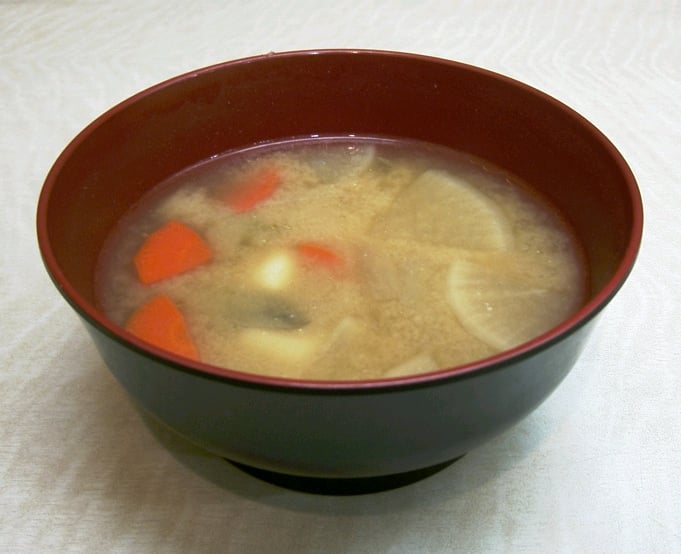
Shojin cuisine’s magic shines through its unique dishes. Each creation reflects perfect balance, seasonal ingredients, and mindful preparation that makes this tradition special.
Goma-dofu (sesame tofu)
Goma-dofu ranks among shojin ryori’s finest creations, though it’s not traditional tofu. This silky delicacy blends ground sesame paste, water, and kuzu (kudzu) powder. Young monks would spend countless hours grinding sesame seeds to build character. The dish’s creamy texture paired with wasabi and soy sauce creates an amazing appetizer that awakens the palate.
Kenchinjiru (vegetable soup)
Kencho-ji temple in Kamakura gave birth to this hearty vegetable soup. The soup uses vegan dashi made from kombu and shiitake mushrooms instead of fish stock, which creates surprising depth. Root vegetables like gobo (burdock root) and daikon add rich earthy notes, along with crumbled tofu and seasonal vegetables.
Shiraae and other tofu-based salads
Shiraae, which means “white dressing,” brings together mashed tofu with vegetables like spinach, carrots, and hijiki seaweed. This classic dish shows shojin cuisine’s beauty in simple, nutritious ingredients. The tofu creates a rich, protein-packed dressing that makes seasonal vegetables shine.
Vegetable tempura without egg
Shojin age (tempura) differs from regular tempura because it skips the egg in its batter. The light, crispy coating comes from ice-cold water, flour, and sometimes carbonated water. Matcha salt accompanies this dish that lets natural vegetable flavors take center stage.
Common ingredients: konnyaku, natto, fu, yuba
These processed ingredients are the foundations of shojin cooking:
- Konnyaku: a jelly-like substance made from taro-like potato starch
- Natto: fermented soybeans rich in protein
- Fu: wheat gluten in fresh, dried, or fried forms
- Yuba: delicate soy milk skin formed during tofu production
Where to Experience Shojin Ryori in Japan
_monks.jpg)
Japan provides visitors with amazing opportunities to experience authentic shojin cuisine throughout the country.
Temple stays and shukubo experiences
Shukubo (temple lodging) stays offer the best way to truly appreciate shojin ryori. Mount Koya features over 50 temples that welcome overnight guests. Visitors can live with monks and join their morning rituals and meditation sessions. Fukuchi-in, a notable temple on Mt. Koya, stands out with its rare natural hot spring (onsen) and stunning gardens created by landscape architect Shigemori Mirei.
Top restaurants in Tokyo and Kyoto
Kyoto serves as the heart of shojin cuisine with its 1,600 Buddhist temples. Tenryuji Temple Shigetsu, next to Arashiyama Bamboo Forest, delights guests with vegan meals served against beautiful garden backdrops. Tokyo’s Bon restaurant near Asakusa Station brings a unique perspective with Fucha cuisine, a Chinese-influenced version of shojin ryori that emphasizes community dining.
Shojin ryori cooking classes and tours
Visitors can learn to prepare shojin dishes through various cooking classes. Buddhist monk Ms. Masami Asao teaches a three-hour private cooking class at Jokokuji Temple in Tokyo. Specialized shojin tours connect participants with temples, markets, and cooking workshops. These experiences showcase Japan’s unique blend of cuisine and spirituality.
In Conclusion
Shojin ryori serves as proof of Japan’s spiritual and culinary heritage. This Buddhist plant-based tradition has grown from temple kitchens into a sophisticated cuisine that appeals to modern values of mindfulness and green practices. Very few culinary traditions match today’s ethical eating concerns while keeping their deep cultural roots intact.
Shojin cuisine’s beauty goes beyond what it leaves out—meat, fish, and pungent vegetables. The cuisine values balance through the “Rule of Five,” shows complete respect for ingredients with zero-waste practices, and celebrates seasonal bounty. These elements help turn simple plant foods into dishes with extraordinary depth and complexity.
Each bite of silky goma-dofu, hearty kenchinjiru, or perfectly prepared vegetables offers nourishment and connects you to centuries of Buddhist wisdom. This cuisine shows us how limits can boost creativity instead of holding us back.
Travelers to Japan can find authentic shojin ryori as a peaceful alternative to the meat-heavy modern Japanese dining scene. Mount Koya’s temple stays give you the fullest experience, though great restaurants in Kyoto and Tokyo now make this tradition available to food lovers everywhere.
Without doubt, shojin ryori teaches valuable lessons about our connection with food way beyond Japan’s borders. This age-old cooking approach reveals how mindfulness changes not just meditation but also our everyday meals. Food becomes more than just sustenance—it opens a path to greater awareness, gratitude, and harmony with our world.