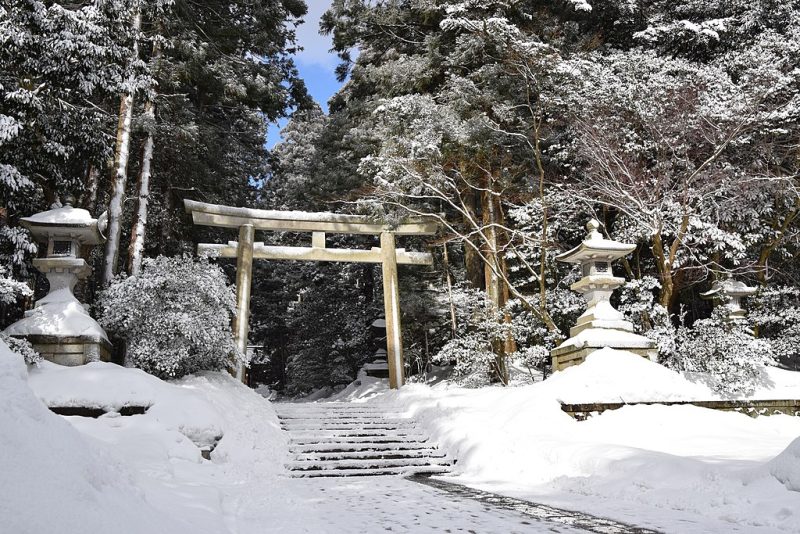
Japan’s winter wonderland in January amazed me with its perfect mix of culture and natural beauty. The cold weather might scare some travelers away, but this month rewards visitors with incredible experiences and plenty of sunshine – Tokyo sees more sunny days now than most other months!
Japanese families come together to celebrate New Year and strengthen their bonds. Snow blankets cultural landmarks like Kyoto’s Golden Pavilion, turning familiar sights into something magical. Ski enthusiasts will love the excellent snow conditions at the country’s best resorts. The weather in Okinawa stays surprisingly warm, making it perfect to explore and watch humpback whales during their migration.
Japan in January gives you unique experiences you won’t find any other time, from stunning light shows and traditional sumo tournaments to pristine ski slopes.
1. Experience Traditional New Year Celebrations

Japanese New Year stands as the year’s most important celebration. The country comes alive with centuries-old traditions that make early January truly magical.
Hatsumode, the first shrine or temple visit of the year, is one of the best things you can do in Japan. People there make this tradition during January’s first three days. I joined millions of locals dressed in their finest attire as they made pilgrimages to famous spiritual sites.
Meiji Shrine in Tokyo draws over 3 million visitors. Kyoto’s Fushimi-Inari temple, famous for its vermilion torii gates, welcomes about 2.7 million devotees. Many visitors buy good luck charms like omikuji (predictions) and omamori (amulets) for their year ahead.
Temple visits happen around midnight on New Year’s Eve create a unique experience. Buddhist temples across Japan ring their large bells (kane) 108 times starting just before midnight. This ritual, Joya no Kane, stems from the Buddhist belief in 108 types of earthly desires.
Try Osechi Ryori, a traditional New Year foods served in beautiful multi-tiered lacquered jubako boxes. Each dish symbolizes something special: black soybeans (kuromame) represent good health, herring roe (kazunoko) symbolizes having many children, and dried sardines (tazukuri) promise abundant harvests. Japanese families enjoy toshikoshi soba (year-crossing noodles) on New Year’s Eve. These long noodles represent longevity and the transition between years.
January gives visitors a chance to see Japan’s most authentic cultural celebration. The first week transforms the country into a showcase of traditions. Families gather, special decorations adorn homes, and a sense of renewal touches everything.
2. See Snow Monkeys in Nagano

The snow monkeys of Nagano gave me one of my most unforgettable winter experiences in Japan. These prominent Japanese macaques are only monkeys on earth known to naturally bathe in hot springs. You won’t want to miss seeing these creatures up close as they act surprisingly human-like in their natural habitat.
Deep in Japan’s mountainous main island lies Jigokudani Monkey Park, a perfect winter home for these amazing animals. “Jigokudani” translates to “hell valley” – a name commonly given to areas where volcanic activity creates steaming hot springs. Snow blankets this area for almost four months each year, turning it into a photographer’s paradise throughout January.
January is one of the best times to visit the park. The freezing temperatures (dropping to -10°C to -15°C) and deep snow make the monkeys spend lots of time in their man-made hot spring pool. Summer visitors might need park staff to coax the monkeys into the water, but winter guarantees you’ll see plenty of them soaking together.
This experience goes beyond just watching the monkeys. A beautiful snow-covered forest path leads you to the park, lined with giant sequoia trees where monkeys sometimes jump through branches. Traditional onsen towns like Shibu Onsen and Yudanaka Onsen sit nearby – they’re great spots to warm up after your monkey-watching adventure.
3. Visit Shirakawa-go Light-Up

The Shirakawa-go Light-Up event captures winter magic in rural Japan. This UNESCO World Heritage Site showcases its distinctive steep-roofed gassho-zukuri farmhouses that light up on select January evenings and create an unforgettable scene.
Snow blankets change this historic village completely. Ogimachi, Shirakawa-go’s main settlement, gets buried under one to two meters of snow each winter. The farmhouses’ steep roofs weren’t just for show – they helped handle massive snowfalls. This practical design created Japan’s most stunning winter views.
You can visit in three ways:
- Bus tours – Companies like Nohi Bus and Kaetsuno Bus run special tours from nearby cities. Some packages include tickets to the Shiroyama Viewpoint, where you’ll get the best views of the lit-up village.
- Private vehicle – You’ll need to book parking online ahead of time, with reservations opening in September and December. Winter tires and snow driving experience are must-haves.
- Overnight stay – This option gives you the best experience. You’ll get guaranteed parking and Shiroyama Viewpoint tickets when you stay in a farmhouse. These rooms are rare though – there’s a lottery in October to get one.
The Shiroyama Viewpoint offers breathtaking views of the entire village. In spite of that, you can only visit during the light-up with specific time-slot tickets, available through overnight stays or certain bus tours.
January temperatures can drop nowhere near freezing. Snow and ice cover the village paths, and some spots don’t have much lighting. You’ll need proper winter clothes, good boots, and a flashlight to stay safe and comfortable.
4. Savor Seasonal Japanese Winter Foods

The kitchens heat up all over Japan as temperatures drop in January. My most treasured memories of visiting Japan in winter include learning how food becomes more than just a meal. It turns into a cultural experience that brings people together in the cold season.
Nabe (hot pot) stands out as the champion of Japanese winter cuisine. People gather around a steaming pot where ingredients simmer in flavorful broth right at their table. We loved these dishes because they spark conversation naturally. Even high-end restaurants now serve their take on these simple, comforting meals.
A trip to Hokkaido in January isn’t complete without Ishikari Nabe. This local specialty combines fresh salmon and vegetables in a rich miso-based broth. It perfectly captures the northern island’s appreciation for warm, shared meals during harsh winters.
Japanese convenience stores change during the winter season. You’ll find counters featuring bubbling pots of oden, allowing you to choose various ingredients for a quick, warming snack. Additionally, street vendors emerge throughout cities to offer roasted sweet potatoes (yakiimo) and steaming noodle dishes.
5. Celebrate Coming of Age Day

My favorite cultural experiences in Japan happens every January when I get to see the vibrant Coming of Age Day celebration, which Japanese people call Seijin no Hi. This national holiday lands on January’s second Monday (January 13 in 2025). Young people who’ve turned 20 celebrate their step into adulthood.
The streets of Japanese cities come alive on this special day. Young adults wear beautiful dress head to their local ceremonies, creating an amazing sight. Young women attract attention in their stunning furisode kimonos. These elegant garments feature unique long sleeves that nearly reach the floor.
Their elaborate hairstyles shine with colorful floral accessories. Such stunning outfits don’t come cheap. Most people rent instead of buy them, but even rental costs can run into hundreds or thousands of dollars.
On the other hand, young men show up either in formal Western suits or traditional hakama with dark kimono. Their mix of old and new styles perfectly shows how Japan balances its heritage with modern culture.
Every town and city in Japan puts on its own Coming of Age Ceremony (Seijin shiki). These morning events take place at city halls, cultural centers, and other public spaces. Local government officials give speeches, new adults share their greetings, and some places add their own special performances or presentations.
The new adults head to nearby shrines after the ceremony. They pray for good fortune, snap photos with old high school friends, and get together for celebration meals. The right to drink alcohol legally makes the evening parties at izakaya (Japanese pubs) extra fun.
6. See Mount Fuji’s Clearest Winter Views

January is the best time to see Mount Fuji at its finest. My travels in Japan taught me that winter gives exceptional views of this iconic peak. The clearest views of the year happen in January.
The atmosphere makes January ideal for Mt. Fuji viewing. Clear winter air creates perfect visibility that other seasons can’t match. The crisp January days let you see Japan’s most famous mountain with such clarity that it seems close enough to touch.
The snow-covered summit against January’s blue sky creates a photographer’s dream contrast. My first sight of Fuji-san rising above the landscape, perfectly cone-shaped and blanketed in white snow, left me breathless.
Winter makes Fuji-viewing simple and convenient. Day trips from Tokyo to viewing spots are easy to plan. The Fujikyu Railway takes you from Shinjuku to Kawaguchiko in about two hours, right into prime viewing territory without summer’s tourist crowds.
The winter season lets you experience Fuji’s presence in uniquely Japanese ways. One of my most precious Japan memories is soaking in an outdoor onsen while gazing at the snow-covered peak – hot spring waters warming my body as my eyes took in Japan’s quintessential winter vista.
7. Explore Hokkaido’s Powder Snow for Skiing and Enjoy its Onsen
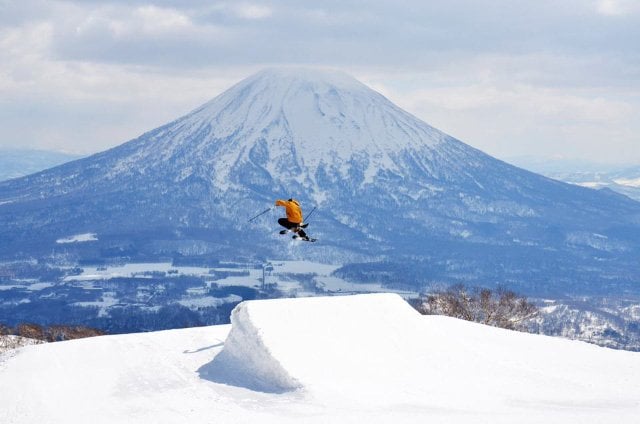
Hokkaido, Japan’s northernmost island, is a true winter paradise. Powder enthusiasts worldwide know it for “Japow” – maybe the lightest, fluffiest snow on Earth. My January trip to this snow-covered wonderland showed me why skiers and snowboarders travel from all corners of the world to experience it.
Niseko shines as Hokkaido’s best destination for winter sports. This largest ski area in Japan connects four resorts seamlessly. January skiing here stands out because of the amazing snow quality. The area gets over 15 meters of pristine powder yearly, and January brings the perfect mix of heavy snowfall with mild temperatures around -7°C.
Furano and Rusutsu matched Niseko’s powder conditions but had smaller crowds. Furano captured my heart with its stunning Tokachi mountain range views and well-groomed runs that suited every skill level.
A perfect Hokkaido winter adventure combines top-notch skiing with the age-old practice of onsen hot spring bathing. Immersing myself in mineral-laden volcanic waters turned into my evening routine following exhilarating days on the slopes. Numerous resorts feature outdoor rotenburo baths, allowing you to unwind in warm waters as snow gently descends around you.
Read our guide to find out the best hot spring resorts in Hokkaido.
8. Attend Tokyo’s New Year Sales (Fukubukuro)
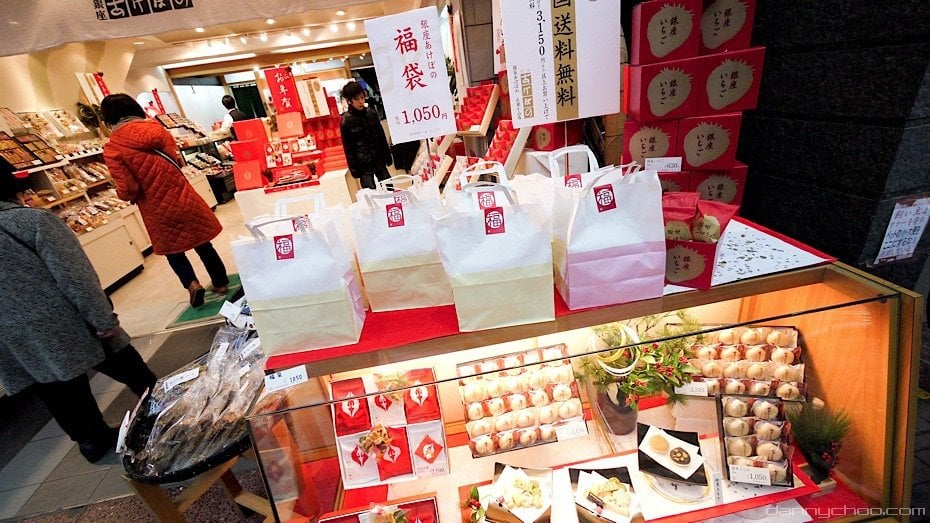
Japanese shopping aficionados eagerly anticipate a delightful experience in January – Fukubukuro, or “lucky bags.” This distinctive Japanese New Year tradition left me in awe of the vibrant shopping atmosphere that envelops Tokyo’s streets at the beginning of each year.
“Lucky bag” or “mystery bag” is the literal translation of Fukubukuro, and it embodies the hopeful essence of the Japanese New Year splendidly. These sealed bags contain products valued significantly higher than the purchase price, typically at discounts of 50% or more. No one knows what’s inside until they make the purchase! Shoppers become so enthusiastic that they queue for hours!
Most retail stores launch this tradition on January 1st or 2nd, and it runs through the first week of January. The fashion districts of Shibuya, Shinjuku, and Ginza became my favorite spots to hunt for these bags. Department stores like Isetan, Takashimaya, and Mitsukoshi stock some of the most wanted ones. Tech lovers head to Akihabara’s shops that pack their lucky bags with useful gadgets and accessories.
This shopping tradition means more than just buying things – it reflects the Japanese belief in starting the new year with good fortune.
9. Explore Illuminated Parks and Gardens

Japan’s parks and gardens come alive after sunset in January with spectacular illumination events that transform the night into a mesmerizing display of light and color. The winter light displays will leave you speechless, ranging from intimate garden settings to massive LED installations.
Some of the most beautiful illumination experiences are available in Tokyo. Tokyo Midtown’s gardens glow in a captivating sea of blue LEDs until late February. The Marunouchi district’s charm peaks when champagne-gold lights adorn over 200 trees along Nakadori Street, creating an elegant winter atmosphere that lasts until February 15.
Roppongi Hills’ Keyakizaka Street dazzles visitors with over 800,000 blue and white LEDs. This is one of Tokyo’s most iconic spot to see winter illuminations.
Mie Prefecture’s Nabana no Sato flower park offers Japan’s most extraordinary winter illumination. Millions of LED lights transform the park, featuring the famous “light tunnel” and themed displays that change each year. This illumination event runs longest in Japan, from October through May.
10. Watch Grand Sumo Tournament in Tokyo
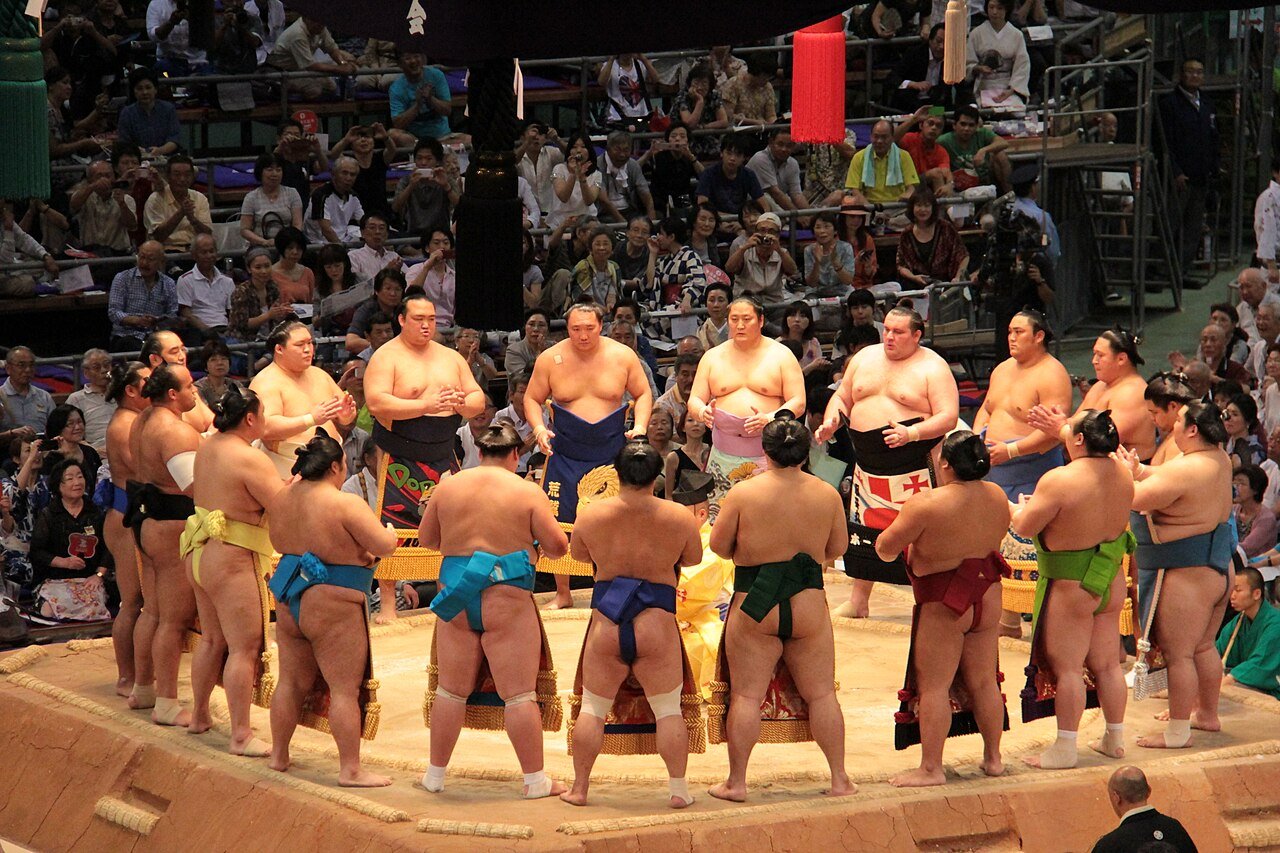
Sports fans who visit Japan in January can witness the first Grand Sumo Tournament of the year and get an amazing look into one of the country’s oldest cultural traditions. The January Grand Tournament (Hatsu Basho) runs for 15 days in mid-January at Tokyo’s Ryogoku Kokugikan stadium. I found myself completely absorbed by the unique mix of ceremony, skill, and raw power on display.
Getting to see a sumo match is easier than you might think. The tournament days begin around 8:30 am with lower-division matches, but most visitors show up around 2 pm to watch the higher-ranked wrestlers compete.
You can buy tickets about a month before the tournament starts. Box seats let you sit on cushions and give you the most authentic experience, while arena seats are more comfortable. Weekend tickets sell out fast, so you need to book well ahead.
The winter sumo experience ended up being one of my most memorable Tokyo moments—a perfect indoor activity for Japan’s January weather.
Conclusion
According to many travelers, Japan’s winter magic comes alive in January. My travels showed me that most people overlook this month, but it offers some of the most authentic Japanese experiences you can get. New Year celebrations, snow-covered landscapes, and fewer tourists make it the perfect time to learn about this fascinating country.
The weather changes a lot between islands, which gives travelers plenty of options. You can hit ski slopes in Hokkaido for a week and then enjoy milder weather in Kyoto. The air is crystal clear in January, so you’ll get amazing shots of Mount Fuji that aren’t possible in hazier months.
Here’s what I suggest: bring warm layers, try the winter foods, and make January your secret window into authentic Japan. The cooler temperatures might make you think twice, but the rewards are worth it!