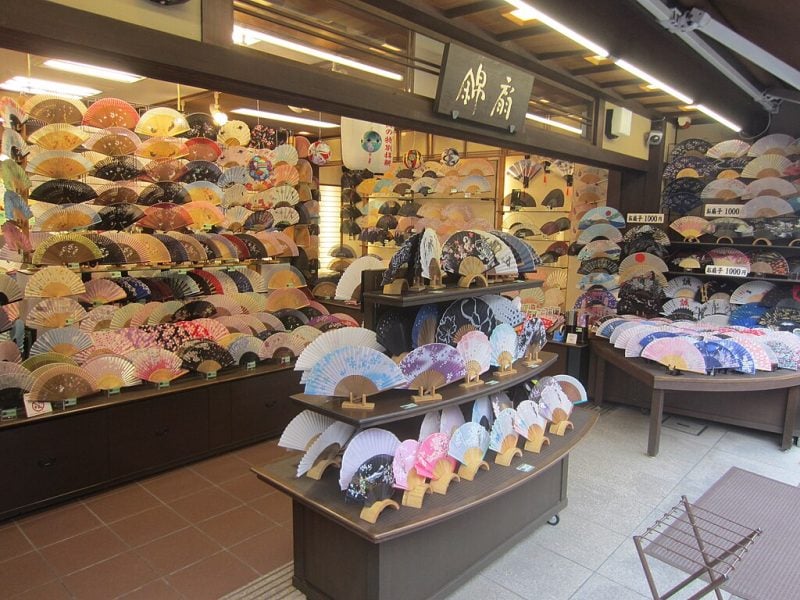
Kyoto brings together old and new in its shopping scene. Traditional craft stores that have existed for centuries now sit among modern fashion boutiques. The city’s thousand-year legacy has drawn Japan’s finest artisans, making it a place where “the handmade reigns supreme”.
The city’s best shopping spots include the bustling Shijo Street with its landmark Takashimaya department store. Visitors also go to the vibrant Nishiki Market, which locals lovingly call “Kyoto’s Kitchen”. The city has countless boutiques where you can buy authentic Japanese teas and kimono fabrics. This ancient capital gives shoppers an experience that’s truly one of a kind.
1. Nishiki Market
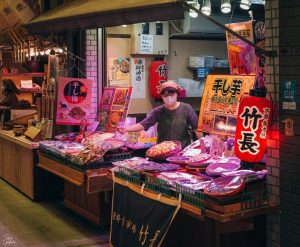
Nishiki Market is a narrow, five-block shopping street houses more than 100 shops and restaurants. This atmospheric culinary wonderland has grown over centuries. The area started as a fish wholesale district around 1310 and now stands as a retail paradise for all things food-related.
You will see everything from fresh seafood and seasonal vegetables to Japanese sweets and traditional cookware. The market gives you a genuine peek into Kyoto’s rich food culture and shopping heritage.
The market runs about 400 meters long and spans just 3.9 meters wide. This creates an intimate shopping atmosphere where you become part of a sensory feast. A distinctive yellow, red, and green roof protects shoppers from weather, making shopping comfortable year-round. The market packs an amazing variety of vendors into this compact space—some counts show over 130 shops.
Your Nishiki Market adventure can end perfectly at the charming Nishiki Tenmangu Shrine, just a few meters from the market’s eastern end. Lanterns decorate its entrance, offering a peaceful finish to your shopping journey.
2. Shijo Market and Kawaramachi
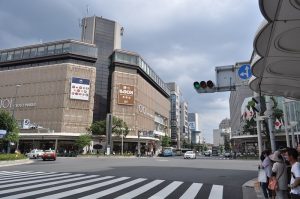
The bustling intersection of Shijo Street and Kawaramachi sits at the heart of Kyoto’s downtown shopping district. This lively hub naturally combines age-old traditions with modern retail experiences. You’ll find it’s a must-visit spot when you’re learning about shopping in Kyoto. The area has evolved over almost 300 years into a dynamic space where high-end fashion meets traditional crafts amid historic buildings.
Shijo Street runs about one kilometer between Kamogawa River and Karasuma Street. It serves as Kyoto’s main retail artery. The meeting point with Kawaramachi creates the shopping hub’s center, surrounded by department stores, boutiques, and specialty shops to find unique souvenirs.
One of the major department stores in the area, such as Takashimaya stands right at the Shijo-Kawaramachi intersection and sells everything from luxury fashion and cosmetics to gourmet foods and traditional crafts. Besides, the nearby Daimaru department store offers a great selection of goods.
Young shoppers love Kawaramachi OPA for its trendy clothing brands and modern styles. The mall offers budget-friendly options, including popular 300-yen shops that attract visitors looking to buy cheap products.
3. JR Kyoto Station
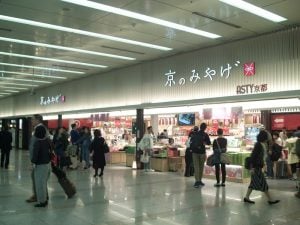
JR Kyoto Station is one of the best shopping spots in Kyoto city. It features different kinds of shops, and restaurants. Visitors can find a different experience here compared to the traditional markets and historic streets.
The Cube Shopping Mall sits at the complex’s heart, taking up the ground floor and two basement levels on the station’s northwest side. The first floor and first basement (B1) are home to Kyoto’s famous confectionery and unique souvenirs. On the other hand, the second basement floor (B2) is a fashion lover’s paradise. We find it filled with ladies’ boutiques, cosmetics stores, and accessories.
KYOTO TOWER SANDO is just a 4-minute walk from Kyoto Station, occupying B1 to 2F floors of Kyoto Tower. Since its renovation and reopening in April 2023, this mall features familiar names like Starbucks and Tsujiri, along with local specialty shops selling Malebranche Tea Sweets, Shogoin yatsuhashi, and SUGiTORA tiger-shaped cookies. In addition, don’t forget to pay a visit to Omiyage Kaido, Porta underground shopping mall, and JR Kyoto Isetan.
The Kyoto Station Shopping Complex is one of the city’s most convenient shopping spots. Department stores, boutiques, souvenir shops, and restaurants make this the perfect final stop before leaving Kyoto or starting your city adventure.
4. Higashiyama District

The Higashiyama District sits along Kyoto’s eastern mountains. It’s the city’s most charming traditional shopping area where old Japan still lives through its wooden buildings and stone-paved streets. This historic neighborhood runs about two kilometers between Kiyomizudera Temple and Yasaka Shrine. Visitors will find one of Kyoto’s most authentic shopping experiences here.
This shopping area in Higashiyama centers on the beautiful stone-paved Ninen-zaka and Sannenzaka lanes. Shops there offer amazing Kyoto souvenirs like handmade pottery and ceramics, traditional Japanese folding fans, chopsticks, masks and so on.
Timing your visit makes a big difference. The streets get packed during cherry blossom season. You’ll have a more relaxed time if you come early in the morning or evening after the crowds leave. Photography buffs should stay after sunset when shops close. The lit-up streets look magical and you’ll have them almost to yourself.
Shopping in Higashiyama shows why Kyoto’s shopping experience is unique in Japan. Indeed the focus stays on traditional craftsmanship and beauty rather than just selling stuff.
5. Kyoto Handicraft Center
The Kyoto Handicraft Center is a massive complex brings together traditional Japanese artistry and modern shopping convenience under one roof. You’ll find two connected buildings packed with Japanese traditional handicrafts and artwork at 21 Entomi-cho, Shogoin in Kyoto’s Sakyo-ku district. The center is a great way to get authentic Japanese craftsmanship without running around the city’s scattered boutiques.
The center opens daily from 10:00 AM to 7:00 PM and closes only during New Year holidays. Visitors can explore and buy handcrafted treasures ranging from delicate pottery and lacquerware to stunning textiles and accessories.
Like many visitors, you can join workshops and create their own pieces with help from skilled artisans. This hands-on approach turns shopping into a cultural adventure. You won’t have trouble buying larger items because they handle all shipping details.
The center sits just a 10-minute walk from Jingu Marutamachi Station on the Keihan line.
6. Kitano Tenmangu Flea Market
_Tenjin-san_hdsr_Flea_market_S5_09.jpg)
Many locals and tourists alike visit the Kitano Tenmangu Flea Market on the 25th of every month. This shopping spot is locally known as “Tenjin-san,” and is considered one of Kansai’s biggest flea markets. Hundreds of vendors fill the space from dawn to dusk with merchandise that captures Japanese culture through the ages.
Vendors set up shop from 6 a.m. until sunset, though some stay open until 9 p.m.. Smart shoppers show up early to grab the best deals before the crowds arrive. This famous flea market in Kyoto features nearly 1,000 stalls that pack the shrine grounds and nearby streets!
This market means more than just shopping. Named after Tenjin, the god of knowledge and scholarship, it honors Sugawara no Michizane, a Heian period bureaucrat who became deified after death.
Getting there is easy. Just hop on Kyoto City bus 50 or 101 from Kyoto Station and get off at the Kitano Tenmangu-mae stop. Just remember that busses get crowded on market days.
7. Toji Temple Market
.jpg)
The Kobo-san Market brings Toji Temple’s historic grounds to life every 21st of the month. This vibrant marketplace showcases Kyoto’s shopping culture from early morning until late afternoon. Locals and tourists gather under Japan’s tallest wooden pagoda in this UNESCO World Heritage Site for a unique shopping experience that blends traditional commerce with cultural significance.
The market pays tribute to Kobo Daishi (Kukai), who was the founder of Shingon Buddhism and built the temple in 796 CE. The temple grounds host about 800 to 1200 vendors who create a lively marketplace. The market runs from 6:00 AM to 4:30 PM, though most vendors finish setting up around 8:00 or 9:00 AM.
From ceramics and vintage kimonos to calligraphy scrolls and historical artifacts, there you can find a wide range of products. It’s also not surprising to find second-hand kimonos just under 1,000 yen! There are also food stalls, selling delicious street foods including yakitori, takoyaki and many more.
Visitors can reach Toji Temple in three ways. A 15-minute walk southwest from Kyoto Station leads directly there. Toji Station on the Kintetsu Kyoto Line offers a quick 5-minute approach with the pagoda visible from the street. Busses #202 and #205 stop right at the temple.
Make your Kyoto trip a great adventure!
Kyoto is a shopper’s paradise that perfectly combines age-old traditions with modern retail. The ancient capital lets you find amazing spots from the busy Nishiki and Toji Temple markets to stylish shopping streets and historic areas. Each spot has something special to offer.
You can buy traditional crafts, vintage items, or the latest fashion trends. Local artisans often work right in front of visitors, which makes shopping here even more interesting. The special market days give you the most authentic feel of the city. Your time shopping in Kyoto will give you more than just souvenirs as it creates long lasting memories of your Japan trip.
You may also like to read – 12 Best Day Trips from Kyoto