
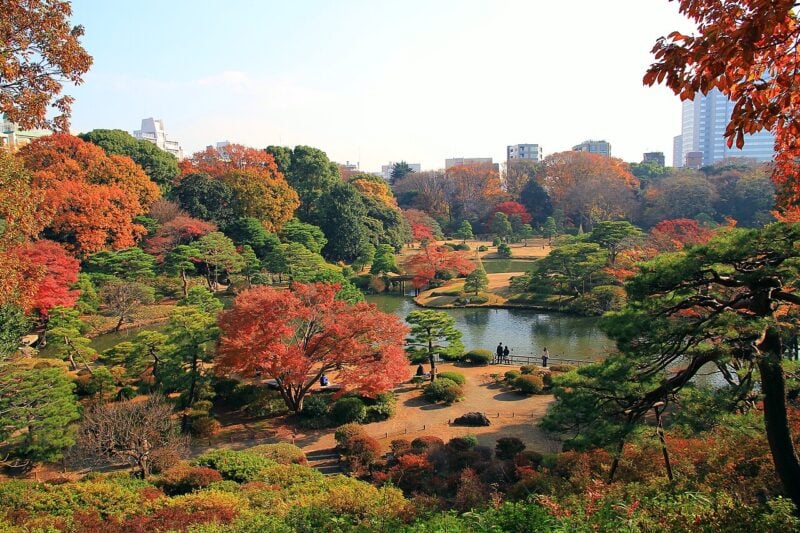
Tokyo is spectacular at any time of year, but autumn brings a special kind of beauty. Japanese maples turn crimson, ginkgo trees glow golden, and the cooler weather makes exploring the city much more comfortable.
The best time to see autumn colors in central Tokyo is usually from mid-November to early December, with many gardens reaching their peak in late November. Mountain destinations such as Nikko and the Fuji Five Lakes often change earlier. As autumn timing varies with the weather, check the latest foliage reports shortly before your trip.
This 5-day Tokyo autumn itinerary combines famous neighborhoods, historic gardens, seasonal food and a scenic day trip. It is suitable for first-time visitors who want to experience Tokyo’s major attractions without missing its best fall foliage.
Tokyo Autumn Itinerary at a Glance
- Day 1: Meiji Jingu, Harajuku and Shibuya
- Day 2: Shinjuku Gyoen and Meiji Jingu Gaien
- Day 3: Mount Takao day trip
- Day 4: Asakusa, Ueno and Rikugien Garden
- Day 5: Lake Kawaguchiko and Mount Fuji
Day 1: Meiji Jingu, Harajuku and Shibuya
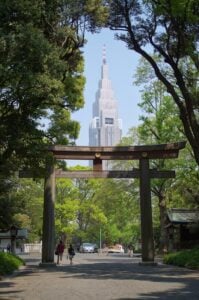
Begin your five days in Tokyo at Meiji Jingu, one of the city’s most important Shinto shrines. The shrine sits inside a large forest, making it hard to believe that busy Harajuku is only a few minutes away.
Walk beneath the enormous torii gates and follow the woodland path to the main shrine buildings. Although Meiji Jingu is not Tokyo’s most colorful autumn spot, the quiet forest is a gentle introduction to the city.
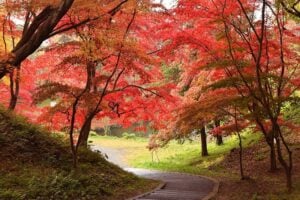
After visiting the shrine, continue to nearby Yoyogi Park. Ginkgo, zelkova and maple trees create pockets of yellow, orange and red from late November into early December. The park has wide lawns, so it is a good place for a picnic on a clear autumn afternoon.
Spend the rest of the day exploring Takeshita Street, Omotesando and Shibuya. Finish at Shibuya Sky or another observation deck to watch the sun set over Tokyo. On a clear day, you may even see Mount Fuji in the distance.
Access: Take the JR Yamanote Line to Harajuku Station or the Tokyo Metro to Meiji-jingumae Station.
Autumn tip: Visit Meiji Jingu early in the morning, when the entrance path is quieter and easier to photograph.
Day 2: Shinjuku Gyoen and Meiji Jingu Gaien

Start your second day at Shinjuku Gyoen National Garden, one of the best places to see autumn leaves in Tokyo. The enormous garden combines Japanese, English and French landscape styles, so there is much more to see than a single row of colorful trees.
The Japanese garden is particularly attractive when red maples surround its ponds and traditional bridges. Other parts of the park contain tall ginkgo trees, plane trees and peaceful lawns. Bring a drink or light lunch and allow at least two hours to explore.
Access: Shinjuku Gyoen is about a five-minute walk from Shinjuku-gyoenmae Station or around ten minutes from JR Shinjuku Station. Check the garden’s opening days and admission information before visiting.
In the afternoon, travel to Meiji Jingu Gaien. Its famous Icho Namiki avenue is lined with approximately 150 ginkgo trees that become bright yellow in late November. It is one of Tokyo’s most recognizable autumn scenes, especially when viewed toward the Meiji Memorial Picture Gallery.
Arrive before mid-afternoon if you want better light for photography. The avenue becomes extremely busy during peak foliage, particularly on weekends.
Access: Walk from Aoyama-itchome or Gaienmae Station.
End the day in Shinjuku, where you can explore Omoide Yokocho, see the neon signs of Kabukicho or enjoy the free city views from the Tokyo Metropolitan Government Building.
Day 3: Take an Autumn Day Trip to Mount Takao

Mount Takao is an easy nature escape from central Tokyo and one of the city’s most popular autumn day trips. Its forested slopes usually develop fall colors earlier than central Tokyo, although the peak period often extends from mid-November into early December.
Most visitors follow Trail 1, a paved route passing observation points, food stalls and Yakuoin Temple. You can walk from the foot of the mountain or use the cable car or chairlift for part of the journey.
The summit offers views across the surrounding hills. Mount Fuji may also be visible when the sky is clear, particularly in the morning. Try local specialties such as tororo soba, a noodle dish served with grated mountain yam, or warm yourself with a cup of amazake.
Access: Take a Keio Line train from Shinjuku to Takaosanguchi Station. The journey takes around one hour, depending on the service.
Useful tips:
- Travel on a weekday if possible, as autumn weekends can be exceptionally crowded.
- Wear shoes with a reliable grip, even if you plan to use the main trail.
- Start early to avoid queues for the cable car.
- Check the sunset time and begin descending before it gets dark.
If you would rather avoid hiking, spend the day at Inokashira Park and Kichijoji instead. The park’s colorful trees and pond create a relaxed autumn setting closer to central Tokyo.
Day 4: Asakusa, Ueno Park and Rikugien Garden
.jpg "5 Days in Tokyo Autumn Itinerary 6")
Begin the morning in Asakusa. Walk through Kaminarimon Gate and Nakamise shopping street before visiting Sensoji Temple. Autumn is a pleasant time to explore this traditional neighborhood because the air is cooler and the skies are often clear.
After lunch, take the Tokyo Metro Ginza Line to Ueno. Ueno Park contains museums, temples and thousands of trees. The path around Shinobazu Pond is especially enjoyable, while the Tokyo National Museum is an excellent option if the weather turns wet.
Later, take the JR Yamanote Line from Ueno to Komagome and walk to Rikugien Garden. Created during the Edo period, Rikugien is one of Tokyo’s finest traditional landscape gardens. Its pond, small hills, stone bridges and teahouses look beautiful beneath red and orange maple leaves.
The area near Tsutsuji-no-chaya teahouse is a highlight during peak color. Rikugien has also held seasonal evening illuminations, but dates and ticket arrangements can change, so check the official garden website before visiting.
Access: Rikugien is approximately seven minutes on foot from Komagome Station on the JR Yamanote and Tokyo Metro Namboku lines.
Day 5: Lake Kawaguchiko and Mount Fuji

Complete your Tokyo autumn itinerary with a day trip to Lake Kawaguchiko. The combination of Mount Fuji, a peaceful lake and colorful maple trees creates one of Japan’s classic autumn landscapes.
The foliage around Kawaguchiko generally peaks earlier than central Tokyo, often from early to mid-November. If your trip falls in late November, check current conditions before choosing this day trip.
One of the best-known seasonal locations is the Maple Corridor near the lake’s northern shore. For wider views, visit Oishi Park, where Mount Fuji rises behind the lake on clear days. You can also ride the Mount Fuji Panoramic Ropeway or take a sightseeing cruise.
Access: Highway buses connect Shinjuku Bus Terminal with Kawaguchiko Station in about two hours when traffic is light. Alternatively, take a train from Shinjuku via Otsuki. Reserve transport early during the autumn season.
Clouds often gather around Mount Fuji later in the day, so take the earliest practical bus or train. A local sightseeing bus is useful for reaching the Maple Corridor and Oishi Park, but queues can be long during peak foliage.
Alternative Day Trip: Nikko
If you visit in October or early November, consider Nikko instead. The Lake Chuzenji and Kegon Falls area usually changes color before central Tokyo. Later in the season, autumn colors appear around Nikko’s famous shrines and temples.
Nikko is around two hours from Tokyo by train. It is possible as a day trip, but you will need an early start. Heavy autumn traffic can slow buses traveling between central Nikko and Lake Chuzenji.
Practical Tips for Visiting Tokyo in Autumn
Choose your dates carefully: For central Tokyo foliage, late November is usually the safest period. Visit earlier for mountain scenery around Nikko, Okutama and the Fuji Five Lakes.
Pack layers: Daytime weather may feel mild, but mornings and evenings can be chilly. A light jacket, sweater and comfortable walking shoes are useful.
Start early: Gardens, ginkgo avenues and mountain trails become busy by late morning. Early visits provide a calmer experience and better opportunities for photography.
Carry some cash: Although Tokyo is increasingly cashless, small restaurants, temple stalls and ticket machines may still accept cash only.
Stay near a convenient station: Shinjuku, Shibuya, Ueno and Tokyo Station are practical bases. Shinjuku is particularly useful for day trips to Mount Takao and Lake Kawaguchiko.
APA Hotel Keisei Ueno Ekimae is good hotel if you are going to stay nearby Ueno Station.
Is Five Days in Tokyo Enough?
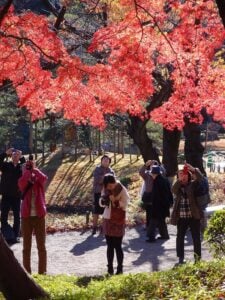
Five days gives you enough time to experience Tokyo’s traditional and modern sides while enjoying several of its best autumn foliage spots. This itinerary includes busy neighborhoods, quiet gardens, local food and two very different natural landscapes.
However, autumn colors do not peak everywhere at the same time. The most rewarding approach is to treat this plan as a flexible guide. Check the latest forecast, move your outdoor days to the clearest weather, and visit popular locations early. With a little planning, five days in Tokyo in autumn can offer everything from glowing ginkgo avenues to red maple gardens and unforgettable views of Mount Fuji.
Read these useful article before you plan a trip to Tokyo this coming autumn: 7 Days in Tokyo Autumn Itinerary and 12 Best Day Trips from Tokyo in Autumn.