
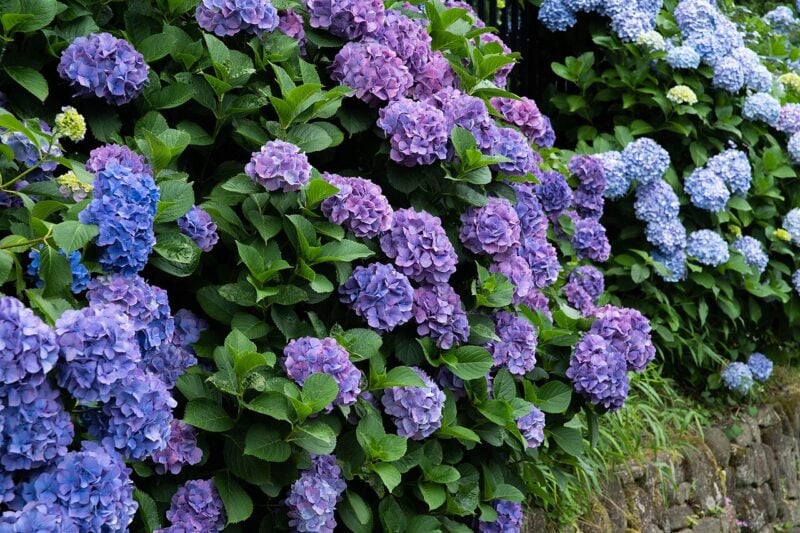
Planning a trip to Kamakura from Tokyo during the rainy season? Tons of hydrangeas transform this historic coastal town of Japan into a sea of blue and purple blooms each June. Many tourists appreciate the beauty of hydrangea in Japan. So, are you going to visit?
Kamakura is regarded as one of the best and earliest places in Japan to view hydrangeas. Temples like Meigetsuin (nicknamed the “Hydrangea Temple”) showcase thousands of blue hydrangeas in full bloom. Hasedera Temple alone features more than 2,500 hydrangea plants of 40 species and creates views that draw visitors from all over the country.
This article covers everything you need to have a perfect day trip to Kamakura from Tokyo: when hydrangeas bloom in Kamakura, where to see the most stunning displays, and how to plan your kamakura one day itinerary during the rainy season.
When to See Hydrangeas in Kamakura
Peak Bloom Period in June
Hydrangeas bloom from late May to early July throughout Kamakura. The peak viewing season arrives between mid-June and early July and coincides with Japan’s rainy season. Temples and gardens display vibrant shades of blue, pink and purple at this time.
Bloom timing varies between temples. Meigetsuin Temple reaches peak season from early to late June and showcases around 2,500 plants. Hasedera Temple blooms from late May to late June and occasionally extends into early July depending on weather conditions.
Engakuji Temple and Goryo Shrine both peak from mid to late June. Weather patterns can change these dates. Hydrangeas start blooming over a week early some years. Staff at temples expect full bloom periods to last about two weeks, with blossoms remaining attractive through the end of June.
The half-bloom stage appears in early June. Kamakura changes as hydrangeas reach full bloom throughout temple grounds, hiking trails and coastal streets from mid-June onward. The flowers continue their display into early July, though intensity depends on that year’s weather.
Rainy Season Considerations
Japan’s rainy season, called Tsuyu, runs from early June to mid-July. This “plum rain” brings a long stationary front that stretches throughout the Japanese archipelago (except Hokkaido) and delivers nearly a month of persistent rain. The moisture adds depth and brilliance to the flowers and leaves and enhances the traditional atmosphere.
Rain doesn’t fall every day during Tsuyu, so there is no need to worry about your day trips in Japan. The beauty of hydrangeas becomes more pronounced under drizzling skies. Moss along stone steps looks beautiful when hydrangeas are in full bloom, with the wet conditions making everything more vivid and peaceful.
Popular spots like Meigetsuin and Hasedera get very crowded during the peak season. The best times to avoid crowds are right after temples open in the morning or late afternoon just before closing. Arriving as early as possible helps manage the crowds at major viewing sites. Some temple areas become slippery when heavy rain falls. Surprise showers are frequent during the rainy season, so you should bring an umbrella.
Top Temples for Hydrangea Viewing
Four temples are said to be the best destinations for hydrangea viewing in Kamakura. Each one has distinct experiences that range from iconic blue blooms to coastal panoramas.
1. Meigetsuin Temple: The Hydrangea Temple
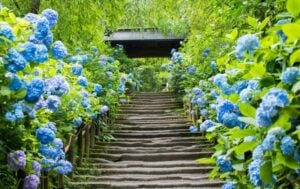
Meigetsuin Temple earned its nickname “Ajisaidera” (Hydrangea Temple) through its stunning display of over 2,500 hydrangea bushes. This Rinzai Zen temple was founded in 1160 and showcases about 95% Hime Ajisai (Princess Hydrangea) variety. The result is the famous “Meigetsuin blue” color that defines the temple grounds. Blue hydrangeas flank the weathered stone staircase and create a striking visual that draws photographers from all over Japan.
A circular window called “Satori no Mado” (window of enlightenment) sits inside the main hall and frames the inner garden behind it. This inner garden opens only during two brief periods: in June when irises bloom and in late November for autumn colors. An additional 500 yen fee is required.
The temple is about 10 minutes on foot from Kita-Kamakura Station. Admission costs 500 yen. Crowds form long queues that sometimes stretch back to the station during peak season. Weekend wait times exceed an hour. Arriving before the 8:30 a.m. opening time helps you avoid the worst congestion.
2. Hasedera Temple

Hasedera Temple perches on the hillside overlooking Sagami Bay and has more than 2,500 hydrangea plants representing over 40 different varieties. The “Hydrangea Path” winds along the slope of Kannon-yama. Sweeping coastal views are framed by clusters of blooms in blue, purple and pink. Two unique cultivars developed at the temple, “Hase Yohira” and “Hase no Inori,” can’t be found anywhere else.
The temple opens a separate timed entry system during hydrangea season. Visitors must book 60-minute time slots starting at 9 a.m., with slots available every 20 minutes. The Hydrangea Path ticket costs 500 yen beyond the standard 400 yen temple admission. The path has about 210 steps total, so comfortable footwear is advised.
Hasedera is just 5 minutes on foot from Hase Station on the Enoden Line. Booking online in advance is recommended due to limited daily capacity.
3. Engaku-ji Temple
Engaku-ji ranks second among Kamakura’s Five Great Zen Temples and is a more peaceful alternative to the crowded hydrangea spots. The temple grounds are located just one minute from Kita-Kamakura Station and feature hydrangeas scattered throughout the expansive property rather than concentrated in one viewing area.
Byakurochi Pond sits just outside the main gate. Reflections of blooming hydrangeas create serene compositions on the water surface. The Sanmon gate was rebuilt in the late 18th century and featured in Natsume Sōseki’s novel “The Gate.” It provides another photogenic backdrop. Engaku-ji tends to be less crowded than Meigetsuin and Hasedera, especially on weekday mornings.
Admission costs 300 yen for adults and 100 yen for children. The temple’s Zen-inspired silence and early morning birdsong create a meditative atmosphere that pairs well with the flowers.
4. Goryo Shrine
Goryo Shrine has one of Kamakura’s most iconic photo opportunities: the Enoden train passing the torii gate with hydrangeas in the foreground. The trains run every 10 to 15 minutes and give photographers multiple chances to capture this storybook scene.
A modest walking path called “Ajisai Koen” (Hydrangea Path) sits behind the main hall. Wild hydrangeas bloom among mossy stones and ancient towers. Mountain Hydrangeas and Western Hydrangeas make up the primary varieties here.
Photography within the shrine grounds is prohibited, but visitors can shoot from the street side or along the tracks while respecting local etiquette.
The shrine charges 100 yen admission. It is within 3 to 15 minutes walking distance depending on your starting point in the Hase area. Early morning visits are the calmest experience before day-trippers arrive.
Planning Your Kamakura Hydrangea Day Trip
Getting to Kamakura from Tokyo
The JR Yokosuka Line has direct access from Tokyo Station to Kamakura Station in approximately 57 minutes for 1,040 yen. The same line takes 47 minutes at 810 yen from Shinagawa Station. The JR Shonan Shinjuku Line connects Shinjuku Station directly to Kamakura in 57 minutes for 1,040 yen as an alternative. The Japan Rail Pass covers both lines.
The Enoden 1-Day Pass costs 800 yen for adults and lets you board the Enoden line without limits. The Enoshima-Kamakura Freepass has round-trip from Shinjuku to Fujisawa plus unlimited Enoden rides for 1,640 yen.
One Day Itinerary Route
Kita-Kamakura Station works best as your starting point for a day trip to Kamakura from Tokyo. Visit Meigetsuin Temple first. Walk to Engaku-ji and then take the train to Hase Station for Hasedera and Goryo Shrine. Get there by 9 a.m. to beat crowds.
What to Bring and Wear
Pack these essentials for rainy season:
- Compact umbrella (surprise showers are frequent)
- Quick-dry clothing and breathable fabrics
- Waterproof sneakers with grip
- Snacks and water bottles
Jeans and heavy fabrics that stay wet should be avoided. Lightweight rain jackets work better than ponchos for temple visits.
Try Kamakura Street Food and Cafes
Komachi Street stretches from Kamakura Station toward Tsurugaoka Hachimangu. Street food vendors and specialty shops pack this area. Shirasu (whitebait) appears in many dishes as the local coastal specialty. Popular options include beef croquettes with crispy panko coating and matcha soft serve ice cream with varying richness levels.
You can also find grilled squid cooked fresh to order and sakura dango in multiple flavors. There are also other foods to try in Kamakura, so why don’t you hunt for them as you walk along the streets there.
Kamakura’s hydrangea season is one of Japan’s most enchanting natural displays. Mid-June to early July is the best time to visit as temples become seas of blue and purple blooms.
Book your Hasedera time slots ahead of time, arrive early to avoid crowds and pack rain gear for unpredictable weather. The iconic Meigetsuin blue or Hasedera’s coastal views make this day trip from Tokyo unmatched and capture the beauty of Japan’s rainy season perfectly.