
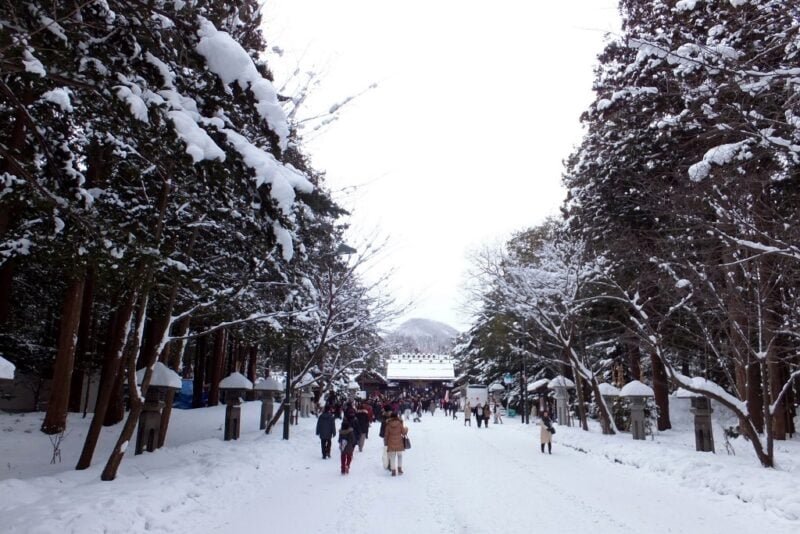
On a January morning in Japan, you could be standing under the red lantern at Sensō-ji temple in Tokyo, waiting to draw your New Year fortune. A few days later, you could be watching snow fall outside a hot spring inn or walking beside a stream lined with pink cherry blossoms (winter sakura). The cherry blossoms are in Atami, a seaside town in Shizuoka where an early variety starts to flower while much of Japan is still deep in winter.
January is a great month to build a trip around one or two things you really want to do. If the kids have never played in snow, a day at GALA Yuzawa is easy to add to a Tokyo stay. If you’re traveling solo and want a slower pace, a temple walk and a hot tofu lunch in Kyoto might be the day you remember most. And if you’ve been dreaming about a snowy Japanese village, you can build a few days in central Japan around Shirakawa-go.
1. Make your first shrine or temple visit of the year in Tokyo

In Japan, the first shrine or temple visit of the year is called hatsumōde. You’ll see people stopping to pray, drawing paper fortunes and picking up good-luck charms for the year ahead. If you’re in Tokyo in early January, it’s a lovely way to spend a morning and see a familiar landmark at a time when it means something special to the people around you.
I’d choose Sensō-ji in Asakusa if you want to combine your visit with a walk through an old Tokyo neighborhood. Go through Kaminarimon Gate, follow the approach to the temple, and take a detour towards the Sumida River once you’ve had enough of the crowds. Meiji Jingu is an equally good choice if a long, wooded approach sounds more appealing. Both are popular for New Year, so allow time to queue if you go in the first few days.
With children, I’d pick one temple or shrine and give them something simple to look forward to, like drawing an omikuji fortune together. If your arrival date is flexible and you prefer a quieter visit, go a little later in the month.
2. Visit Nanzen-ji and eat hot tofu at Nanzenji Junsei in Kyoto
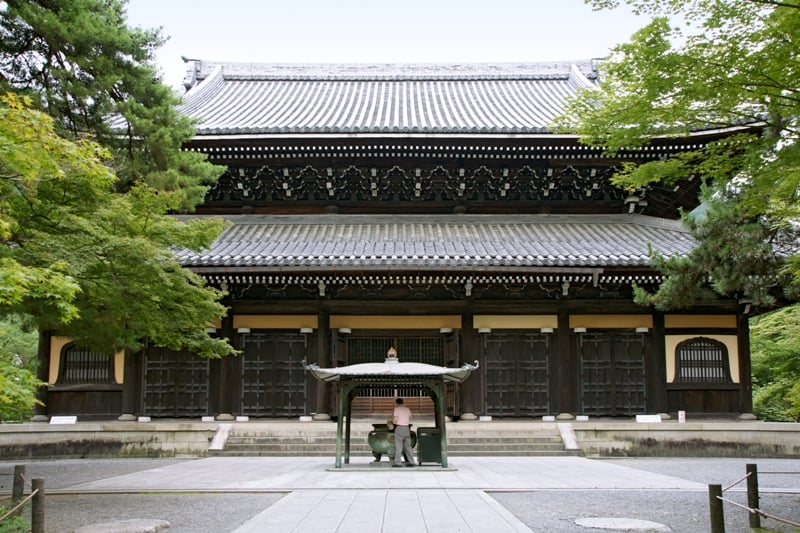
Start your trip with a morning visit to Nanzen-ji, a famous Zen temple in Kyoto’s eastern hills. The first thing you’ll notice is the size of the wooden Sanmon gate. Take the path farther into the grounds and you’ll find a surprise, a red-brick aqueduct whose repeating arches feel quite different from the temple buildings around it. If you want to spend longer here, visit the Hōjō, the former head priest’s residence, and take a moment to look over its dry landscape garden.
For lunch, go to Nanzenji Junsei, a restaurant near the temple that specializes in yudōfu. The tofu comes hot in a pot. Lift out a piece, dip it in the accompanying sauce and take your time over lunch. Junsei offers set courses, so look at the menu when planning your budget. If you eat vegetarian or vegan food, ask the restaurant about the stock, sauces and side dishes before ordering.
This is the Kyoto half-day I’d choose for a January trip. You get a good walk, a proper sit-down lunch and enough time afterwards to head back to your hotel or continue into the Okazaki neighborhood.
3. Go skiing, snowboarding or sledding

January is a good time to plan a snow trip in Japan. The best resort for your holiday depends on how much time you want to spend on the mountain. Niseko is a good match for a Hokkaido trip built around skiing or snowboarding. For those visitors who want to spend a few days in Sapporo city and don’t have a plan to visit Niseko can still enjoy skiing and snowboarding. Read about Sapporo’s top ski resorts.
Hakuba Valley in Nagano makes sense if you want a few days in the mountains as part of a central Japan itinerary. For a first lesson, choose your ski school before you choose your accommodation. It’s much easier when the lesson meeting point, rentals and beginner slopes are close together.

For an easy day trip from Tokyo, I’d pick GALA Yuzawa in Niigata. The resort is directly connected to its railway station and has a dedicated sledding area. That’s handy if some of the family want to ski and others want to spend an hour or two playing in the snow. Check the resort’s operating status before setting out, including the gondola and snow play area.
If it’s your first time arranging a snow day, check what the rental shop supplies. Waterproof gloves, warm socks and a dry change of clothes for children are worth packing yourself.
4. See the snowy farmhouses of Shirakawa-go

The steep thatched roofs of Ogimachi, the main village most visitors come to see in Shirakawa-go, make sense the moment you see how much snow falls here. These gasshō-zukuri farmhouses are the reason to come. Give yourself time to follow the small lanes and visit a farmhouse open to the public. It’s a lived-in village, so stick to public paths and look for signs at gates and entrances.
The winter light-up is held on selected evenings and requires an advance reservation. Check the current year’s rules before booking your transport. Evening entry, parking and access to the viewpoint can have separate arrangements, depending on the option you book. If you’d rather keep the day simple, go during regular visiting hours and check for special daytime transport rules on light-up dates.
Takayama or Kanazawa makes a practical base. Both have bus connections to the village, so you can visit without renting a car. Look up the return bus when you book your outward journey and allow a little breathing room for winter travel. A daytime visit is my pick for families who want to explore without waiting outside after dark.
5. Watch the snow monkeys at Jigokudani in Nagano
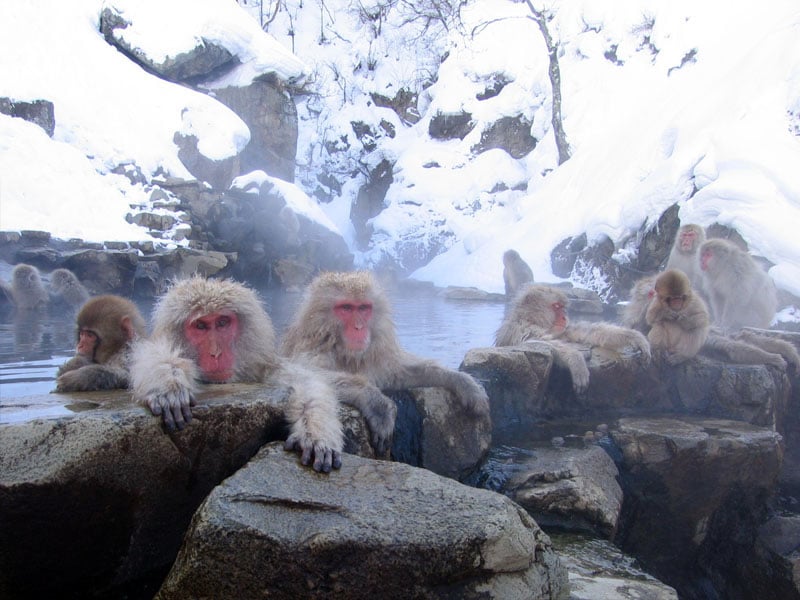
At Jigokudani Snow Monkey Park, Japanese macaques sometimes soak in an outdoor hot spring. It’s easy to picture the famous close-up of a monkey with snow on its head, but part of the fun is watching the whole troop. Some groom one another, some chase each other, and others go about their day on the rocks around the pool. They’re wild, so seeing them bathe depends on what the monkeys feel like doing when you visit.
From the trail entrance near Kanbayashi Onsen, allow about 30 minutes on foot each way. The path is unpaved and can be icy. Wear boots with good grip and leave extra time if you’re traveling with children who like to stop along the way. Check the park’s updates before setting off, and keep your distance from the macaques when you reach the viewing area.
For a slower trip, stay a night in nearby Shibu Onsen. You can spend the afternoon walking around the hot spring town, have dinner at your inn and keep the next morning free for the park.
6. See Mount Fuji from Lake Kawaguchiko

If I had one clear morning near Tokyo in January, I’d be tempted to spend it at Lake Kawaguchiko. Head to Oishi Park on the north shore for a view across the water towards Mount Fuji. On a clear day, the snowy summit is the first thing your eye goes to. A lakeside walk gives you time to see the light change and find your own favorite angle.
You can reach Kawaguchiko from Tokyo using the Fuji Excursion limited express from Shinjuku. Check the timetable and train availability for your dates. If you’re staying several nights in Tokyo, keep your Kawaguchiko day flexible and look at the forecast before committing. If you’re staying by the lake, an overnight visit gives you another chance to look for the mountain the following morning.
After your walk, warm up over a bowl of hōtō, Yamanashi’s broad, flat noodles simmered with vegetables in miso broth. If your family wants some time in the snow, consider Fujiten Snow Resort and check its sledding and transport arrangements beforehand. I’d save the resort for a full day or an overnight trip so there’s still time to enjoy the lake.
7. Spend a snowy day in Sapporo

Start at Moerenuma Park, where winter turns the wide lawns and hills into a place for sledding or snowshoeing. Check the park’s winter rental days before heading out. The open landscape is part of the appeal, but it also means you’ll feel the wind on a cold day. A shorter outing followed by a long lunch is a good plan if you’re traveling with young children.
Back in town, pick a bowl of Sapporo miso ramen or soup curry for lunch. The covered Tanukikoji Shopping Street is a good place to continue on foot afterwards, especially when snow is coming down. It gives solo travelers somewhere to browse between meals, and families an easy way to take a break from the cold.
The Sapporo Snow Festival usually takes place in February, so check the official dates before planning around it. For a late-January trip, look up the Lake Shikotsu Ice Festival near Chitose, which can begin towards the end of the month. Ice structures take on a pale blue color by day and are lit after dark. Check your return transport if you stay for the lights.
For more ideas around the island, read on our guide to winter in Hokkaido.
8. Watch fireworks over Mount Wakakusa in Nara

On the fourth Saturday of January, Nara usually holds Wakakusa Yamayaki, a ceremony in which the grassy slope of Mount Wakakusa is set alight. Fireworks go up first. Then, from a viewpoint with a clear line of sight, you can watch the fire gradually spread across the hillside. The event brings together traditions from Kasuga Taisha, Kōfuku-ji and Tōdai-ji, three of Nara’s best-known religious sites.
Make a day of it. See the Great Buddha at Tōdai-ji, walk through Nara Park and get something warm to eat before you settle into your viewing spot. With children, choose somewhere they can see the hill comfortably and bring an extra layer for the time you’ll spend standing still. The organizers publish viewing information and may change or cancel the programme in poor conditions, so check their site on the day.
Nara is an easy day trip from Kyoto or Osaka, but this is a good occasion to stay overnight. You can watch the evening event and give yourself a quieter morning in the city before moving on.
9. Stay in Kinosaki Onsen and eat winter crab

Spend a night in Kinosaki Onsen, a hot spring town in northern Hyōgo. Check in to a ryokan, change into a yukata if your inn provides one and walk along the willow-lined canal to a public bathhouse. The nice thing about staying overnight is that you can fit a soak around dinner and take another walk in the morning. There’s no need to squeeze every bath into a single outing.
January is also a good month to try Matsuba crab, the local winter specialty. If that’s part of the reason you’re going, choose an accommodation plan that explicitly includes a crab dinner and check what’s served across the courses. For families who want to soak together, look for a ryokan with a private bath and ask how to reserve a time. Solo travelers should check whether their preferred inn offers a dinner plan for one.
There are train connections from Kyoto, which makes an overnight stay easy to work into a Kansai trip. I’d aim to arrive in the early afternoon so you have time to drop your bag, look around and enjoy the town before dinner.
10. See early cherry blossoms at Atami’s Itogawa festival
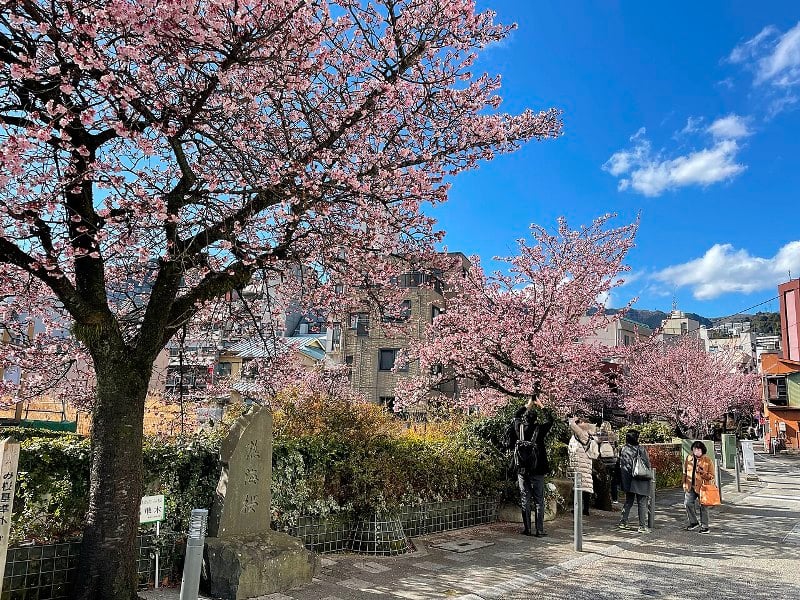
You can see cherry blossoms in Japan in January if you know where to look. In the seaside town of Atami, the early-flowering Atami-zakura trees grow along both sides of the Itogawa stream. The promenade is only about 300 metres long, so it’s an easy stroll with children, and you can take your time looking at the pink blossoms from the little bridges.
The Itogawa Cherry Blossom Festival usually begins in January and continues into February. The city lists January to early February as the usual flowering period, but the trees follow the weather, so check the city’s bloom reports when choosing your day. If the cherry blossoms are still opening, see how the plum blossoms are doing at Atami Plum Garden. The two often make a worthwhile outing together when their flowering periods overlap.
Atami is on the Tōkaidō Shinkansen, so you can visit from Tokyo or stop here on the way towards Kyoto. I’d leave time for a seafood lunch and a walk towards the waterfront. If your group is ready for a slower day, an overnight stay turns the blossom outing into a short seaside break.
Planning your January trip to Japan
What is the weather like in Japan in January? Tokyo and Kyoto can both feel cold, especially first thing in the morning and after sunset. Expect much colder conditions in Sapporo and at mountain destinations. For a city trip, bring layers you can take off indoors. For snow days, add boots with grip, waterproof gloves and spare socks.
What should I book first? Start with accommodation and long-distance transport if you’ll be in Japan over New Year. For the rest of the month, book the experience your trip depends on, whether that’s a ski lesson, Shirakawa-go’s evening light-up or a ryokan serving crab. Check holiday opening hours if you’re arriving in the first few days of January.
Can you enjoy January in Japan without skiing? Yes. You could spend a morning at Lake Kawaguchiko, try sledding for an afternoon at GALA Yuzawa, or make a hot spring stay the centre of your trip. For a family with mixed interests, I’d pick one snow activity and leave time for a warm meal and an easy walk. Everyone gets something to look forward to, and there’s room to change plans if the weather turns.
What’s a good first January itinerary? With a week, I’d split my time between Tokyo and Kyoto. From Tokyo, pick GALA Yuzawa for a snow day, Kawaguchiko for Mount Fuji or Atami if the blossom reports look good. From Kyoto, add Nara or spend a night in Kinosaki. If snow is the main reason you’re coming to Japan, give Hokkaido most of your time and build around Sapporo or Niseko. Leaving even one day open makes it easier to catch a clear view, a fresh snowfall or a row of cherry trees coming into bloom.