
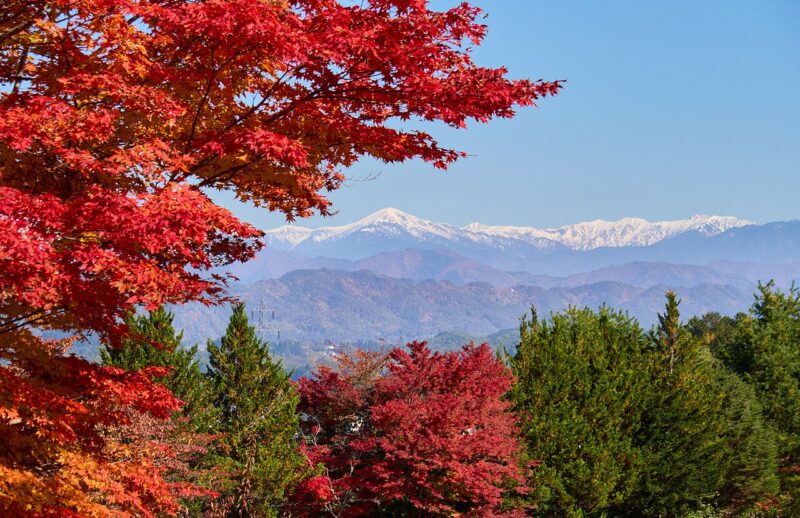
The Japanese Alps are at their most dramatic in autumn. Larch trees turn gold beside clear mountain rivers, maple leaves brighten old post towns, and the first snow often dusts the highest peaks. Yet planning a trip here can feel confusing. The best places are spread across several prefectures, transport involves trains and buses, and the leaves change at different times depending on elevation.
This nine-day Japanese Alps autumn itinerary keeps the journey simple. It begins in Takayama, continues through Kamikochi and Matsumoto, and finishes by crossing the Tateyama Kurobe Alpine Route to Toyama. There is no need to hire a car, and the route avoids unnecessary backtracking.
9 days gives you enough time to enjoy the scenery without treating every mountain stop as a quick photo opportunity. If you have only seven or eight days, I have included easy ways to shorten the trip near the end.
When Is the Best Time to Visit the Japanese Alps in Autumn?
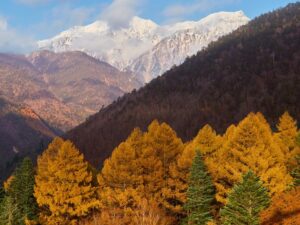
There is no single date when Kamikochi, Tateyama and Takayama all reach peak color. The wide difference in elevation means autumn moves down the mountains gradually.
- Murodo and the highest parts of Tateyama: usually late September to early October
- Daikanbo and Kurobedaira: often early to mid-October
- Central Kamikochi: generally mid to late October
- Takayama town: commonly late October to early November
For this complete itinerary, early to mid-October is the most practical compromise. You may see strong color around the middle elevations of Tateyama, developing foliage in Kamikochi and the first autumn tones around Takayama. If Kamikochi is your priority, aim closer to mid or late October. If the high alpine scenery around Murodo matters most, travel earlier.
Autumn timing changes each year, so check recent foliage reports and live cameras before leaving. Weather matters too. A cold night can speed up the color, while a storm may strip leaves from exposed slopes.
The Takayama Autumn Festival takes place on October 9 and 10 each year. It is a wonderful event, but accommodation can sell out months ahead. Plan around those dates if you prefer a quieter visit.
Day 1: Travel to Takayama
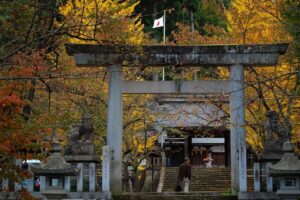
Takayama is a gentle introduction to the Japanese Alps. The town is compact, easy to explore on foot and full of dark wooden merchant houses from the Edo period.
From Nagoya, take the Limited Express Hida to Takayama. The journey takes roughly two and a half hours and follows rivers and forested valleys for much of the way. Reserve a seat during the autumn season, especially around weekends and public holidays.
After checking in, take a leisurely walk through the historical Sanmachi Suji or Takayama old town. The busiest visitors usually leave by late afternoon, and the narrow streets feel much calmer near sunset. Look for sake breweries marked by large cedar balls hanging above their entrances.
For dinner, try Hida beef as grilled slices, sushi or hoba miso, a local dish cooked on a magnolia leaf. Stay near Takayama Station if easy transport is your priority, or choose a small inn closer to the old town for more atmosphere.
Useful tip: Takayama mornings can be chilly even when the afternoon feels comfortable. Keep a light fleece or jacket at the top of your bag.
Day 2: Explore Takayama Old Town
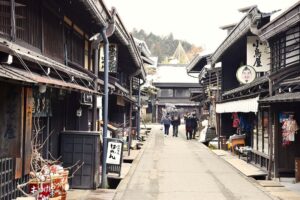
Begin at the Miyagawa Morning Market, where stalls sell seasonal fruit, pickles, sweets, crafts and small souvenirs. Arriving early gives you more time to browse before tour groups reach the old town.
Continue to Takayama Jinya, the former government office of the Hida region. Its tatami rooms, storehouses and administrative spaces offer more context than the old town streets alone. From there, wander through Sanmachi and stop for local snacks such as mitarashi dango or Hida beef croquettes.
In the afternoon, choose between two easy options:
- Visit Hida Folk Village, an open-air collection of traditional thatched-roof houses on the edge of town.
- Follow part of the Higashiyama Walking Course, a quiet route past temples, shrines and the remains of Takayama Castle.
If your visit falls on October 9 or 10, allow most of the day for the Takayama Autumn Festival. The decorated floats, traditional performances and evening procession are worth seeing, but expect crowds and transport changes.
Day 3: Take a Day Trip to Shirakawa-go
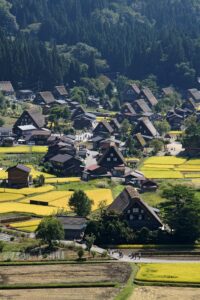
Shirakawa-go is not essential to the route, but it fits naturally between Takayama and the higher mountains. The village is known for its steep-roofed gassho-zukuri farmhouses, built to withstand heavy winter snow.
Take a morning bus from Takayama to Shirakawa-go. Some services require reservations, and seats can disappear quickly in peak foliage season. Once you arrive, walk or take the shuttle toward the Shiroyama viewpoint for the classic view over the village. Then return on foot and explore several preserved houses at ground level.
Do not try to visit every building. Two or three interiors, a slow walk beside the fields and time for lunch make a much better day than rushing through a checklist.
Return to Takayama in the afternoon and keep the evening quiet. The next stage involves buses and a change at Hirayu Onsen.
To shorten the itinerary: Skip Shirakawa-go and travel to Kamikochi one day earlier.
Day 4: Travel from Takayama to Kamikochi

Leave Takayama in the morning on a bus to Hirayu Onsen, then change to the bus for Kamikochi. The first ride takes about an hour, while the second is approximately 25 minutes. Private cars are restricted in Kamikochi, which helps keep the valley peaceful.
If the connection allows, spend an hour or two in Hirayu. A daytime onsen is especially appealing on a cold autumn morning. Otherwise, continue directly to Kamikochi and leave your luggage at your hotel.
Use the afternoon for the easy walk around Kappa Bridge and along the Azusa River. If you still have energy, continue toward Myojin. The mostly level trail passes through woodland with regular views of the surrounding peaks. Myojin Pond requires a small admission fee and sits within the sacred grounds of Hotaka Shrine.
Stay inside Kamikochi if your budget permits. Day visitors leave in the late afternoon, and the valley becomes wonderfully quiet. You will also be in place for soft morning light before the first buses arrive.
Important: Kamikochi’s regular visitor season runs from mid-April to November 15. Autumn mornings may fall close to freezing, and early snow is possible.
Day 5: Walk Through Kamikochi’s Autumn Scenery
.jpg "9 Days in the Japanese Alps Autumn Itinerary 7")
This is the day to slow down. Kamikochi is not a place that needs a demanding hike to feel rewarding.
Take an early bus from the terminal to Taisho Pond, or ask your accommodation about the nearest stop. On a calm morning, the pond may reflect Mount Yake and the surrounding forest. From here, follow the trail through Tashiro Marsh and along the Azusa River toward Kappa Bridge. The walk is mostly flat and normally takes around two hours without long stops.
After lunch, choose an afternoon route that suits your energy:
- Walk from Kappa Bridge to Myojin and return on the opposite bank.
- Continue beyond Myojin toward Tokusawa if you are an experienced walker with enough daylight.
- Stay near the central area and enjoy shorter riverside paths if the weather is poor.
Kamikochi’s larch trees are particularly beautiful in late autumn, when their needles turn golden. The valley is also home to Japanese macaques. Watch from a distance and never feed them.
Carry water, a snack and a rain layer even on an easy trail. Mountain weather changes quickly, and the temperature drops soon after the sun moves behind the peaks.
Day 6: Kamikochi to Matsumoto

Enjoy one final early walk before checking out. Then travel to Matsumoto, usually by bus to Shin-Shimashima followed by the Alpico railway to Matsumoto Station. Direct buses operate on selected departures, but they require advance reservations.
After arriving, visit Matsumoto Castle. Its black exterior looks especially striking against the Northern Alps on a clear day. The interior stairs are steep, so allow more time than you might expect.
Nakamachi Street and Nawate Street are both nearby and easy to explore before dinner. Matsumoto has a relaxed atmosphere, good cafés and a wider choice of affordable accommodation than Kamikochi.
Day 7: A Slower Day in Matsumoto
Keeping a full day in Matsumoto makes the itinerary more comfortable and gives you a buffer in case poor weather affects an earlier stage.
Visit any parts of the castle district you missed, browse the old storehouses of Nakamachi, or spend time at the Matsumoto City Museum of Art. If you prefer nature, consider a half-day trip outside the centre, but avoid adding a long excursion before the Alpine Route.
This is also the day to deal with luggage. Send your main suitcase from your Matsumoto hotel to your accommodation in Toyama using a delivery service, and pack only an overnight bag for Murodo. Confirm the delivery time with the hotel; next-day arrival is not always possible.
Crossing the Tateyama Kurobe Alpine Route with a large suitcase is inconvenient. The journey involves several vehicles, station changes, stairs and short walks. A small backpack makes the following two days much easier.
Day 8: Cross the Tateyama Kurobe Alpine Route to Murodo

You have to start early today. Travel by JR train from Matsumoto to Shinano-Omachi, then take the bus to Ogizawa, the eastern entrance to the Tateyama Kurobe Alpine Route.
From Ogizawa, the route becomes part sightseeing journey and part transport adventure:
- Ride the electric bus through the tunnel to Kurobe Dam.
- Walk across the top of the dam, stopping at the viewpoints if conditions are clear.
- Take the underground cable car to Kurobedaira.
- Ride the Tateyama Ropeway to Daikanbo.
- Continue through the mountain tunnel to Murodo.
The ropeway section is one of the best places to appreciate the changing elevation. Depending on your dates, you may see autumn leaves below, bare alpine slopes higher up and even fresh snow near the peaks.
Stay overnight at Murodo rather than rushing all the way to Toyama. It gives you more time at the highest point of the route and reduces the pressure of making every connection in one day. Book early because accommodation choices are limited.
Check the final transport times carefully. Services finish much earlier than urban trains, and missing the last connection can leave you stranded at an intermediate station.
Day 9: Explore Murodo and Continue to Toyama

If the weather is clear, take an early walk around Mikurigaike, a volcanic lake about 15 minutes from Murodo Terminal. The full area deserves more time, but even a short walk offers wide views and a real sense of being high in the Northern Alps.
Remain on marked paths. Volcanic gases can be hazardous near Jigokudani, and trails may be icy or covered by early snow in autumn. Check local warnings before walking.
Return to Murodo Terminal and continue west by highland bus to Bijodaira, cable car to Tateyama Station and train to Dentetsu Toyama. Collect your forwarded luggage, check into a Toyama hotel or continue to your next destination.
Kanazawa is a short shinkansen ride away, while Tokyo can also be reached directly by Hokuriku Shinkansen. Travelers heading toward Kyoto or Osaka can travel via the Hokuriku route and change at Tsuruga. In Tokyo, you can stay at Asakusa Tobu Hotel in Asakusa, Tokyo. Asakusa is one of my best areas in Tokyo to stay at night, and walk along the sumida river.
Where to Stay
Takayama
Stay near Takayama Station for the easiest bus connections. The old town is only a short walk away. A traditional ryokan is a good choice if you want dinner, breakfast and an onsen included. This hotel is located near Takayama Station. You can book your room there!
Kamikochi
Accommodation around Kappa Bridge is convenient for first-time visitors. Hotels farther along the valley feel quieter but may involve more walking with luggage. Half-board is useful because evening dining choices are limited. If you are a first time visitor in Kamikochi, I recommend this hotel for you.
Matsumoto
The area between Matsumoto Station and the castle is practical and walkable. Choose a hotel that can help arrange luggage delivery. Stay your night here in this hotel.
Murodo
Stay close to Murodo Terminal unless you are prepared for a longer walk at high elevation. Weather can turn quickly, and carrying luggage on mountain paths is unpleasant.
Transport and Luggage Tips
- Reserve limited express trains, highway buses and mountain accommodation early for October weekends.
- Check the final departure of every mountain bus before beginning a walk.
- The Tateyama Kurobe Alpine Route is a chain of different vehicles, not a single train.
- Web tickets can reduce uncertainty, but some departures use designated boarding times.
- Send your large suitcase ahead and carry a small overnight bag across the Alpine Route.
- Do not assume every Japan Rail Pass covers local buses, private railways or the Alpine Route.
- Build some flexibility into the plan. Heavy rain, strong wind or early snow can affect mountain transport.
What to Pack for the Japanese Alps in Autumn
Pack for cold mountains, not for the temperature in Tokyo or Osaka.
- A warm fleece or light insulated jacket
- Waterproof outer layer
- Comfortable walking shoes with good grip
- Thin gloves and a warm hat for Murodo
- Refillable water bottle and trail snacks
- Small daypack or overnight backpack
- Portable battery, as cold weather drains phones faster
- Cash for small shops, admission fees and rural services
You do not need technical hiking equipment for the walks suggested here, but ordinary fashion trainers with smooth soles are a poor choice after rain or frost.
You don’t have enough time? So, How to Make This a 7- or 8-Day Itinerary
For an eight-day Japanese Alps itinerary, remove Day 3 at Shirakawa-go or Day 7 in Matsumoto.
For a seven-day itinerary, remove both of those days. Spend two nights in Takayama, two in Kamikochi, one in Matsumoto and one in Murodo before reaching Toyama on Day 7.
I would not reduce Kamikochi to a rushed half-day. Staying overnight is what allows you to experience the valley before and after the crowds. Likewise, give the Alpine Route most of a day rather than treating it as a simple transfer.
Thank you for reading this suggested itinerary. Have fun!