
Sapporo in June is a time when the city sheds its snowy reputation and accepts a pleasant summer! The northern city became world-famous in 1972 when the Olympic Winter Games were held there. Its summer season offers something equally special. The weather is cool and breezy, with temperatures ranging from 52–68°F (11–20°C). This creates perfect conditions to explore outdoors without the humidity found elsewhere in Japan.
June brings some of the best things to do in Sapporo. Cultural festivals and outdoor adventures abound. You’ll experience the Yosakoi Soran Festival with its dance performances and the traditional Hokkaido Shrine Festival. From Moerenuma Park to the city’s markets and museums, June is a wonderful time to enjoy pleasant weather, fresh greenery, and beautiful early summer scenery in Sapporo.
1. Experience the Yosakoi Soran Festival

Sapporo in June is a perfect time to explore one of Hokkaido’s best summer festivals called Yosakoi Soran. Over 30,000 dancers flooding Sapporo’s streets, turning the entire city into one massive performance stage during the Yosakoi Soran Festival. This festival first was held in 1992 where only 10 teams of 1,000 dancers participated. It has evolved and now approximately 2 million visitors come and experience this lively festival annually.
The festival’s origins tell a compelling story. Young performers witnessed Kochi Prefecture’s historic Yosakoi Festival and boldly declared “The streets are our stage”. They created something entirely unique by blending Kochi’s traditional naruko wooden clappers with Hokkaido’s Soran Bushi, a folk song that captures the region’s deep fishing heritage. Each team crafts its own colorful costumes and choreographs original dances to lively music, ensuring you’ll never see the same performance twice.
The festival marks the official start of summer in Hokkaido. It has gained recognition throughout Japan and overseas. The inclusive atmosphere welcomes participants whatever their age or occupation.
2. Discover Morenuma Park’s Summer Beauty

Sculpture artist Isamu Noguchi had an extraordinary vision when he transformed a former waste disposal site into what he called “one complete sculpture” — a 400-acre masterpiece where you don’t just walk through a park, but actually become part of a massive three-dimensional artwork. After 23 years of careful development, Sapporo gained this remarkable green space where art and nature blend so seamlessly that you’ll find yourself questioning where one ends and the other begins.
Love cycling? Here cycling becomes the most practical way to explore the entire park. Bike rentals cost just 200 yen for 2 hours (April 29 through November 3), with options for adults, children, and bikes equipped with baby seats. Pedaling through this expansive terrain reveals hidden sculptures tucked into peaceful groves, while the lush greenery and seasonal blooms create this immersive environment where you genuinely feel connected to both art and nature.
The park provides numerous shady grass areas perfect for spreading picnic blankets. A take-out vendor named Panier operates from mid-April through early November (closed Mondays). Grabbing onigiri and drinks from a convenience store beforehand offers a local picnic experience though. Pack towels and extra clothes if you plan water play, as children refuse to leave once they start splashing.
3. Explore the Hokkaido Shrine Festival

Visiting Japan in summer does not allow you to explore many great attractions but also festivals, which you can’t experience the other time. While festival season brings crowds and energy to many Japanese cities, there’s something particularly moving about witnessing Hokkaido’s most important religious celebration unfold against the backdrop of early summer.
The Hokkaido Shrine Festival is a famous summer festival in Sapporo, held at Hokkaido Shrine in mid-June every year. It carries deep cultural significance!
The festival takes place at Hokkaido Jingu, originally established in 1869 as a spiritual anchor for the new settlement. What strikes you first isn’t the pageantry—though the elaborate portable shrines called mikoshi create spectacular processions through the city streets.
You’ll notice the peaceful atmosphere created by locals who come together not only to celebrate, but also to pay respect to the deities believed to protect Hokkaido and its people. When I go to the shrine during the festival, I see many food stalls there. You must try Japanese street food from the stalls.
4. Enjoy Fresh Seafood at Nijo Market

Nijo Market has served as the best seafood hub in central Sapporo since around 1891. The market emerged during the early Meiji era and expanded from a small trading space into a seafood center that occupies about one city block. Both locals and tourists meet here, and the market functions as what residents call their “local kitchen” to find premium Hokkaido ingredients.
The compact market houses approximately 30 stores at present. This includes 15 fisheries and fishmongers that sell the day’s catch. You’ll encounter cases packed with king crab, hairy crab, sea urchin, salmon roe, scallops, hokke (Okhotsk atka mackerel) and various fresh and prepared fish as you walk through the narrow aisles.
The visual display resembles a mini aquarium. Uncooked seafood in its fresh-caught state creates an impressive sight. Many vendors sell dried fish, processed products and packaged goods suitable as souvenirs alongside live seafood.
Spend an hour or more there and please don’t forget to try fresh Donburi!
5. Relax at Jozankei Onsen

Jozankei in autumn is quite impressive! It does not mean Jozankei is a bad place to visit in the summer. It’s one of the best places to relax and enjoy nature in Hokkaido. Located in a peaceful mountain valley and surrounded by lush forest, rivers, and fresh greenery, Jozankei offers a number of hiking trails.
Hiking could be a tiring outdoor activity for many, but it’s rewarding as you will come across many viewpoints. As you finish your hiking journey, you would not mind spending some time relaxing in an onsen!
Indeed, the main highlight of this destination is the natural onsen (hot springs). Jozankei Onsen’s mineral-rich waters are believed to help relieve stress and muscle pain. Many traditional ryokan and public bathhouses offer outdoor baths where you can soak while enjoying views of forests and mountains.
If you are planning to visit Sapporo in June, pay a visit to this onsen town and experience an authentic Japanese hot spring culture.
6. Explore the Historic Sapporo Beer Museum

This striking red-brick building holds the distinction of being Japan’s only museum dedicated entirely to beer, occupying a structure with roots stretching back to 1890 when it served the Sapporo Sugar Company.
The building’s transformation tells its own story — purchased and remodeled by the Sapporo Beer Company in 1903, it brewed beer until 1965 before finding new life as a museum in July 1987. Now registered as a Hokkaido Heritage site, it houses more than a century of brewing heritage that traces back to the 1876 Kaitakushi business.
You’ll find two ways to experience the museum, and honestly, both have their merits. The free self-guided route lets you explore the 3rd and 2nd floor exhibitions at your own pace, spending about 15-20 minutes among historic brewing artifacts organized by era.
What I appreciate is their attention to international visitors — explanatory panels come with translations in English, Korean, and Chinese accessible through QR codes on your smartphone, with physical translation placards at each corner for those without smart devices.
The museum connects to the Sapporo Beer Garden in the building’s south wing, where atmospheric beer halls serve all-you-can-drink beer alongside all-you-can-eat Genghis Khan Lamb BBQ. It’s one of those places where you really understand how beer culture shaped Hokkaido’s development — and June’s pleasant weather makes it the perfect time to explore this piece of the city’s industrial heritage.
7. Visit Odori Park for early Summer Flowers

I’d love to share all the details about Odori Park’s early summer blooms with you, but honestly that would make this article long. Please note that lilacs peak at early June every year.
What I can tell you is that Odori Park sits right in the heart of Sapporo — you’ve probably already spotted it if you’re planning to catch the Yosakoi Soran Festival, since it serves as the central hub for those incredible dance performances. The park stretches like a green ribbon through downtown, creating this wonderful breathing space in the city.
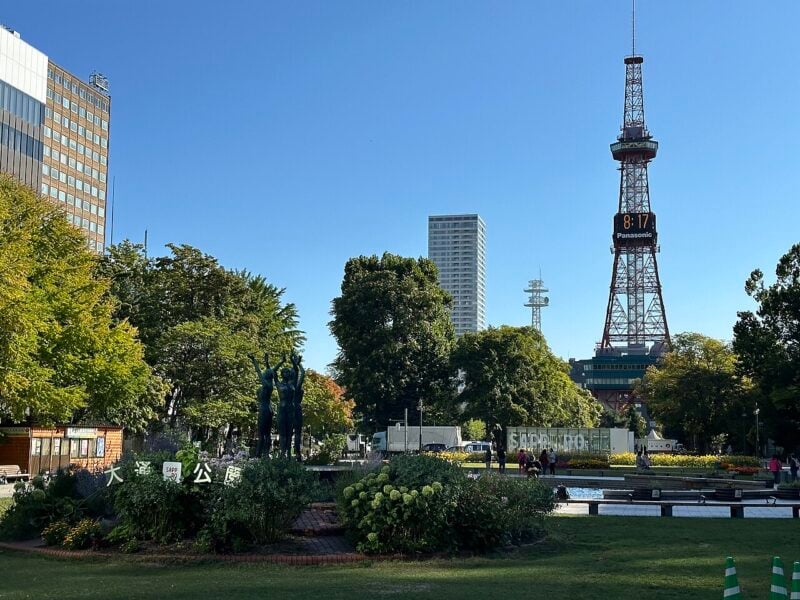
June brings longer daylight hours to Sapporo, which means more time to wander and discover whatever seasonal beauty the park has to offer. The mild weather makes it perfect for a leisurely stroll, and also you can rest between festival events or just enjoy a peaceful time sitting around. As you walk along the park, enjoy the view of Sapporo TV Tower, which is just amazing to look at. Admire the beauty of summer flower beds you see there!
8. Take a Day Trip to Otaru

Just 30 minutes northwest of Sapporo lies one of Hokkaido’s most enchanting discoveries — the historic port town of Otaru. Multiple trains run every hour along the JR Hakodate Main Line, with rapid trains whisking you there in 30 minutes and local trains taking a leisurely 45 minutes, both for just 800 yen one way. Here’s a travel tip that saves time: IC cards like Kitaca, Suica, and PASMO work perfectly for this route, so you can skip those ticket machine lines.
Once you arrive, everything feels wonderfully walkable. Most attractions sit within a comfortable 30-minute stroll from Otaru Station, making this compact city perfect for wandering. The famous Otaru Canal can be reached in just 10-15 minutes from the station — a 1,140-meter waterway flanked by those gorgeous stone warehouses that were completed back in 1923. This canal tells the story of Otaru’s bustling maritime past, when small boats constantly shuttled cargo from the larger ships anchored offshore.
Kitaichi Glass stands as the most famous store and offers affordable glassware worth browsing. The Otaru Music Box Museum draws visitors with its unique collection. Don’t miss Sakaimachi Street, which stretches about 800 meters from north to south, with its northern end just a few minutes’ walk southeast of the canal. This preserved merchant street showcases Western-style buildings from Otaru’s golden age in the late 1800s and early 1900s.
For food lovers, Sankaku Market near the train station serves up incredible fresh seafood kaisendon breakfast bowls. And you absolutely must try LeTAO — they have three locations in Otaru, including one right on Sakaimachi Street where you can taste their famous Hokkaido cheesecakes.
Read our guide on the best things to do in Otaru.
9. Ride the Ropeway to Mount Moiwa

Visitors can experience panoramic views from 531 meters above sea level at Mount Moiwa’s summit observation deck. You stand high enough to appreciate both Sapporo’s urban sprawl and the vast Ishikari Plain stretching toward Ishikari Bay. This mountain south of downtown functions as Japan’s first designated natural monument and offers an available escape into Hokkaido’s nature just 20 minutes from the city center.
The summit requires a distinctive two-stage ascent that itself becomes part of the experience. The ropeway departs from Moiwa Sanroku Station and travels 1,200 meters in five minutes. It provides unobstructed views of the cityscape with Ishikari Bay visible in the distance. Passengers should position themselves at the rear windows where the ascending view creates the most dramatic effect. At the mid-mountain station, you transfer to a mini cable car that travels through forest canopy to reach the peak.
The summit station has a restaurant, souvenir shop, and takeaway corner, so you can easily turn a quick visit into a longer retreat. Wheelchair users can reach the mountaintop observation deck without difficulty.
Plan roughly 1.5 to 2 hours for the complete experience—giving you enough time to fully absorb views that have earned recognition as one of Japan’s top three city night views. The panorama becomes particularly striking during June’s extended twilight hours, when the city lights begin to twinkle while natural light still illuminates the surrounding landscape.
10. Enjoy Cycling and Outdoor Activities in Pleasant Weather

June’s mild temperatures make cycling absolutely perfect for exploring Sapporo. It’s hard to cycle during the winter months. Many tourists prefer cycling in Sapporo when spring arrives and they can enjoy it until late autumn.
Cycling in Sapporo in June is one of the best ways to explore the city at a relaxed and refreshing pace. Mild temperatures and long daylight hours create ideal conditions for outdoor activities, especially those looking to explore areas on a cycle.
One of the best places to cycle in Sapporo is Odori Park. The paths are wide enough, which enables you a safe ride and enjoy the outdoors. From there, you can easily explore nearby parks and quiet streets. There is a great place in Sapporo to cycle which is along the Toyohira River. The riverside paths are calm and peaceful, and be sure to cycle with caution as many people jog there.
For longer adventures, the Shiroishi Cycling Road offers a fantastic 20km separated, paved railtrail running from Kita-Hiroshima Station straight into central Sapporo. This dedicated path keeps you completely away from traffic while connecting peaceful farming landscapes with urban destinations. I have a friend who sometimes goes to Otaru from Sapporo by cycle over the weekend. He says he enjoys it very much. Would you like to go there by a cycle?