
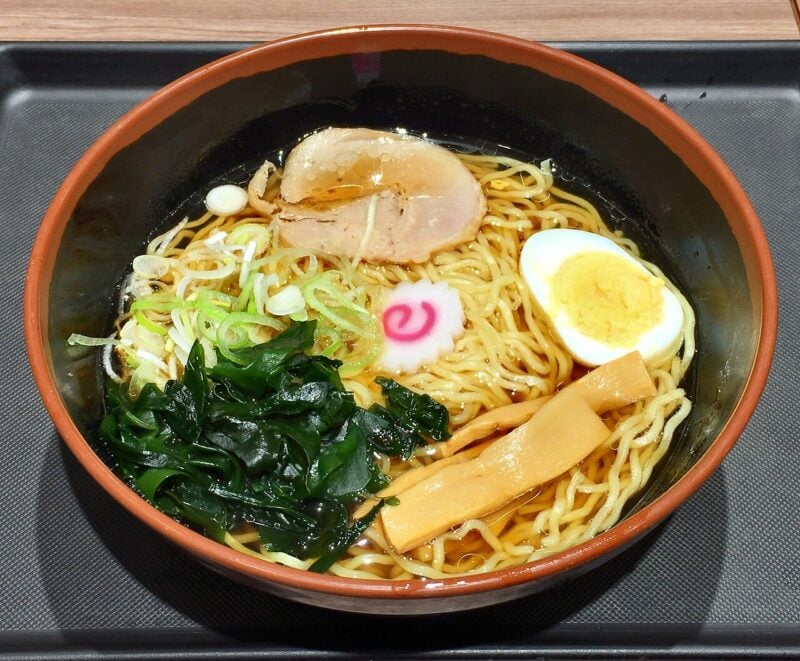
Ramen is one of the most well-known Japanese foods. While many think of it as just a cup of noodles, there is actually a lot of variation when it comes to authentic Japanese ramen!
What is Ramen?
At heart, ramen is a noodle dish with wheat-noodles in some kind of broth. Ramen originally came to Japan from China, but the Japanese have put their own unique spin on the dish and made it truly their own.
In Japan, ramen is an art. While at its core, ramen is a very, very simple dish, there are various broths, noodle types, and toppings that can make it a truly excellent meal.It’s a meal with numerous regional variations. Different regions, cities, and even individual shops often have something that makes their ramen unique, whether it’s ingredients or preparation techniques, or both. Popular ramen shops with gifted ramen chefs will often see people line up for hours to have a taste of their ramen dishes.
A full catalog of all the variations of ramen is very difficult, but there are many basic types that you can find.
Popular Ramen Types in Japan
_-_01.jpg "Ramen in Japan | Best Food Guide 2")
1. Instant Ramen
Popular in Japan and throughout the world, instant ramen originated in Yokohama. You can find it in cups or packets. All you need to do to cook the freeze-dried noodles is some boiling water to toss them and their included flavoring packet into (or to pour into the cup). There are many flavors available.The taste, price, and convenience are a hit wherever instant ramen is sold. Instant ramen is a staple for those on the go or living on a budget, including tourists and students.
2. Tonkatsu
This ramen uses pork bones to create its white, cloudy thick broth. It has a very distinctive pork smell. Usually, the noodles used in tonkatsu are thin. It’s a very popular kind of ramen. It originated in Kyushu but now be found all over Japan.
3. Shoyu Ramen
This is the most popular kind of ramen in Japan. Shoyu means soy sauce and is a key ingredient in this ramen, which smells richly of it. The broth is often made from chicken, but beef, pork, or seafood is used, too. It tastes a bit salty and light. The noodles are usually thin and curly. This is one of the oldest forms of ramen and is the most common. Any ramen sold without a specification is likely shoyu ramen.
4. Fukushima Kitakata Ramen
This ramen dish consists of a lighter soup than many. It’s made from a shoyu base chicken stock, pork bones, and sardines. The noodles tend to be thicker and chewier than most ramen. Usually, toppings are leeks,bamboo shoots, and braised pork.
5. Hakata Ramen
Based on tonkatsu ramen, the white soup is thick and rich. The noodles are hard and straight. Toppings are often braised pork, leeks, mushrooms, and pickled ginger. This ramen type originated in Fukuoka but is now found throughout Japan.
6. Miso Ramen

Originally from Hokkaido, this ramen uses a miso paste made from soybeans as its seasoning. The flavor is very strong thanks to the creamy and tangy miso paste. The broth is chicken and pork-based, giving it a hearty taste. Different types of miso paste will result in a different taste, so a variety of toppings are used with miso ramen.
7. Sapporo Ramen
This hearty and warming ramen dish originates in the Sapporo, a place of harsh winters in northern Japan. It is miso-based ramen with a salty and rich flavor. Often, it comes with a slab of butter, sprouts, corn, and sometimes seafood. This is a very filling meal.
8. Shio Ramen
Shio means salt in Japanese and this dish lives up to it. The broth is usually either pork or chicken-based and is seasoned with salt, leaving it a clear yellow color. The noodles are long and straight. This is among the oldest types of ramen.
9. Tantan Ramen
This ramen uses many Chinese ingredients and is a Japanese take on the Chinese DanDan noodles. It uses miso paste, but also includes soy milk, sesame oil, spicy oils, and minced pork. The soup is thick and red, with a stew-like texture. It tastes both spicy and salty. It’s great ramen for those who like spicy food.
10. Tokyo Ramen
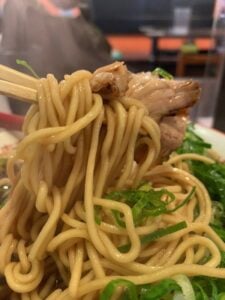
This is a shoyu-based ramen. The soup is clear and brown, with thin, curly noodles. This is one of the main kinds of ramen and it may likely be served without any label but ramen. Toppings include sliced pork, egg, bamboo shoots, and seaweed.
11. Wakayama Ramen
This tonkatsu-based ramen is also called chuka soba. It has thin noodles and a shoyu-base mixed in. Toppings are often braised pork, called processed fish, bamboo shoots, and leeks.
12. Tsukemen
This is a very different way to eat ramen. Instead of the noodles being served in broth, they are served on the side. Usually, they are thick, straight, and chewy. To eat them, you dip them in the broth served on the side. The broth is much stronger and concentrated than usual. Either noodles or broth can be served hot or cold. There are a variety of toppings served with tsukemen.
Ramen Toppings
.jpg "Ramen in Japan | Best Food Guide 5")
Ramen can be served with a variety of toppings. The type of ramen, shop, and region all affect what kind of toppings are on your ramen. Below are only some of the more common options. Different regional ramen variations and chefs may add even more kinds of toppings, including cabbage, kimchi, and various pickled kinds of food.
- Moyashi (bean sprouts)- These are a cheap and popular ingredient in numerous Japanese recipes thanks to their pleasant crunch. They can either be served raw or cooked.
- Beni shoga (pickled ginger)- This sour topping is made of ginger pickled in plum vinegar.
- Buttered corn- Corn is gaining popularity as a ramen topping, especially in Hokkaido.
- Chashu/Char Siu Pork- This braised or roasted fatty pork with soy sauce seasoning is a very common topping.
- Eggs- Eggs served with ramen are hard-boiled, then either served sliced in half or whole. Sometimes they are marinated in a sweet soy flavoring as well.
- Kamaboko and Naruto- This cured and processed fish product is served in thin slices. The Naruto version is more decorative with its pink and white spiral design.
- Kikurage (wood ear mushrooms)- These thin and floppy dark mushrooms are a nice chewy ingredient when added to ramen.
- Mema (bamboo shoots)-Preserved and fermented bamboo with a salty flavor and a slight crunch.
- Negi (leeks)- Leeks, or chopped green onions, are a way to enhance the flavor and texture of ramen.
- Nori (seaweed)- Also called wakame, various types of seaweed are added to enhance flavor and make ramen a healthier meal as seaweed is very nutritious.
Ramen Side Dishes
Ramen is often your main course. There are many different ramen side dishes to be found throughout Japan. Here are some of the more common ones:
- Beer- Ramen and cold beer are as popular a combination in Japan as pizza and cold beer are in the west.
- Chasudon- Chaus pork is not only a popular topping, it is also a popular side dish for ramen.
- Fried rice- Different kinds of fried rice are a frequent offering to eat alongside ramen.
- Gyoza- These fried dumplings are one of the more popular ramen side dishes. They can be either pork or garlic filled and come with vinegar and soy sauce to dip them into.
- Plain rice- Plain rice is another common offering that is a bit healthier than the fried version.
Where to Find Ramen in Japan
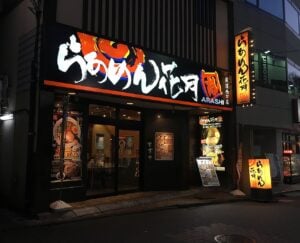
Ramen shops (Ramen-ya) are incredibly common in Japan. You can find one on just about every corner. They also tend to cluster around busy locations liked near train stations, along busy roads, and inside entertainment districts.These ramen shops are usually sit-down locations with tables and a counter, though smaller locations might have only a single counter. Busy locations may be standing room only with a counter to eat at.
You can often find ramen on the menu of other restaurants. Many restaurants located near tourist sites do this, as do many family restaurants, izakaya, and food stalls. You can also find instant ramen and even hot ramen dishes at convenience stores and even vending machines.
How to Order Ramen in Japan
Ramen shops are usually casual places to eat, designed to order, eat, and leave quickly. It’s common for people on the go to swing by a ramen shop to grab a quick meal. There is often counter space set up for single diners.
Menus at ramen shops are typically very simple without many options. Before you take a seat, check to see if there is a vending machine near the entrance. Many ramen shops have customers input their orders into a vending machine for efficiency. The staff will bring your order to you. If there isn’t one, a staff member will come by to take your order and bring your bill afterward.
How to Eat Ramen Politely in Japan
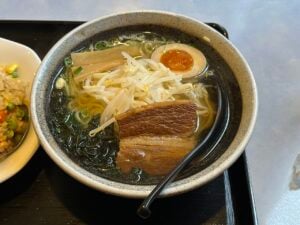
Ramen shops will provide you with a Chinese ladle-style spoon and chopsticks. The spoon is for the ramen soup or both, while the chopsticks are for the noodles. Most Japanese proudly slurp their noodles, partly to cool them so they do not burn their mouths and partly because it is believed to enhance the flavor of the ramen.
So slurp away! There are not generally considered rules about eating ramen. It is considered a quick and casual food eaten on the go. Feel free to pick up your bowl to drink the soup, as well. You’ll find that many ramen shops provide plastic bibs to avoid splashes and stains on your clothes, so don’t feel you need to worry about that, either.